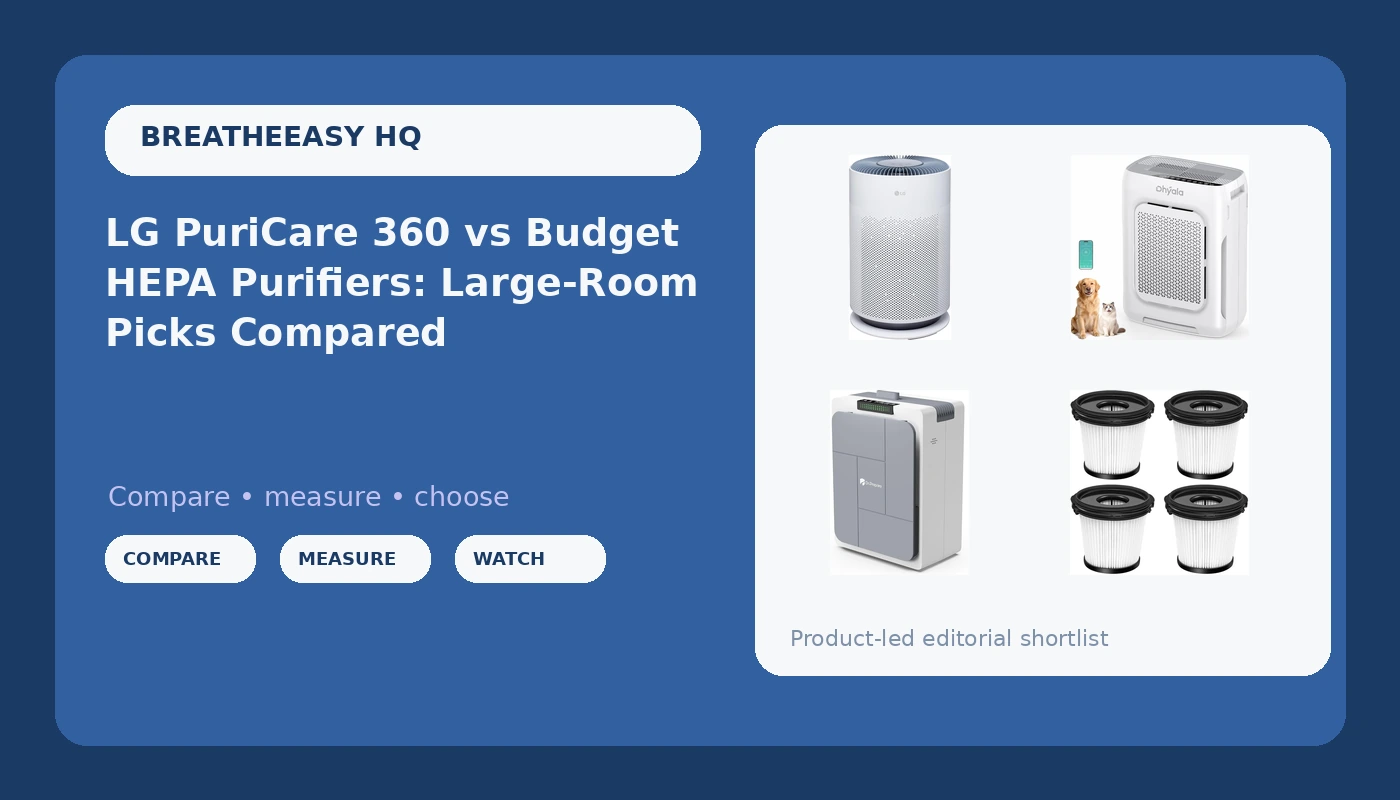
Most people buy a purifier the way they buy a box fan: by the photo on the carton. Fourteen years of HVAC work, eight of them spent testing indoor air in homes with asthmatic kids, wildfire smoke pushing under the front door, and mold in the crawlspace, taught me that only one question matters. How much clean air does the machine actually move in the room you own? This large room air purifier comparison covers four products that keep landing in the same search results: the LG PuriCare 360, a budget HEPA unit claiming 3,000 square feet, a Dr.Prepare model rated for 1,130, and a 4-pack of Shark replacement filters that belongs in the conversation for a reason nobody likes to talk about.
If you want the machine I would start with for an open living area, it is the LG PuriCare 360. The 360-degree intake and True HEPA design are a real airflow strategy, not a bigger fan in a prettier shell. The two budget units earn their place in bedrooms and offices. And the Shark filter 4-pack is the entry that decides whether your purifier is still running in year two, because filters are the real price of ownership.
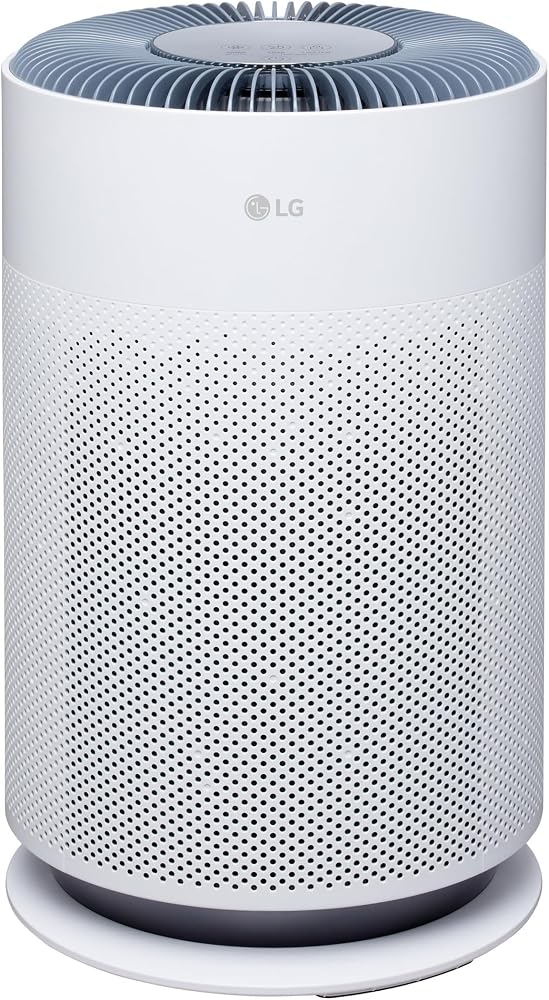
LG PuriCare 360 Air Purifier
360-degree intake, NanoFiber True HEPA, listing claims up to 2,059 ft² in one hour, WiFi and onboard air quality monitor
Highest cost of the three purifiers, and a 360 design wastes its advantage the moment you shove it against a wall
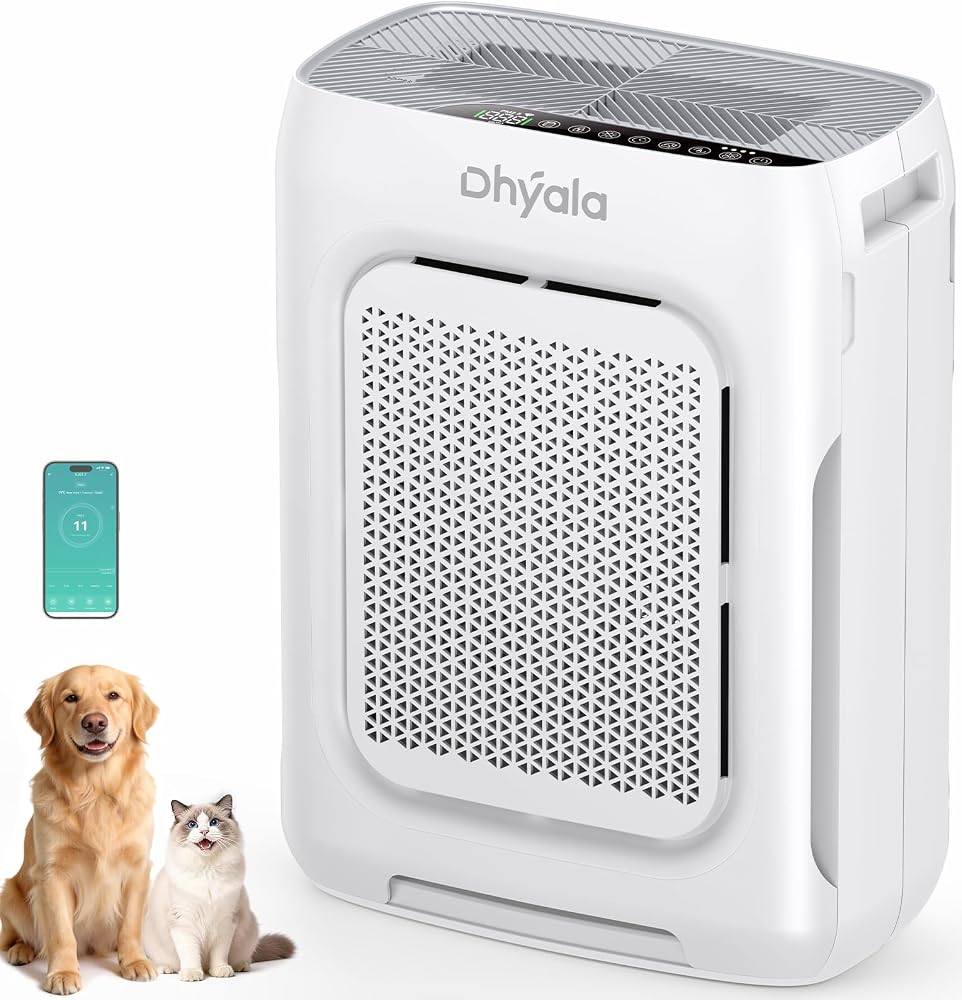
HEPA Air Purifier up to 3000 ft² with Washable Double-Sided Filters
Washable double-sided filters, AQI display, 15 dB sleep mode claim, fragrance tray, WiFi
3,000 ft² is a coverage claim with no CADR published to back it, and sleep mode is not the speed that cleans a room
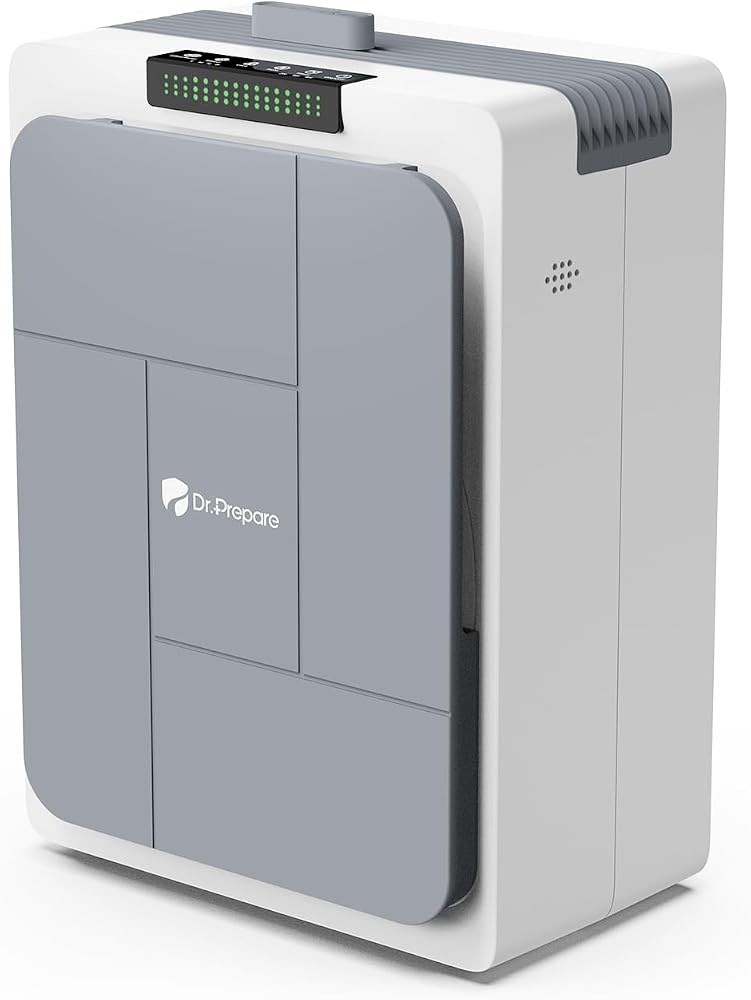
Dr.Prepare Air Purifier up to 1130 ft²
Double-sided air intake, washable pre-filter, smart air quality sensor, 22 dB sleep mode, aroma
1,130 ft² is the smallest reach here, no CADR is listed, and the app sensor reads particles rather than odors
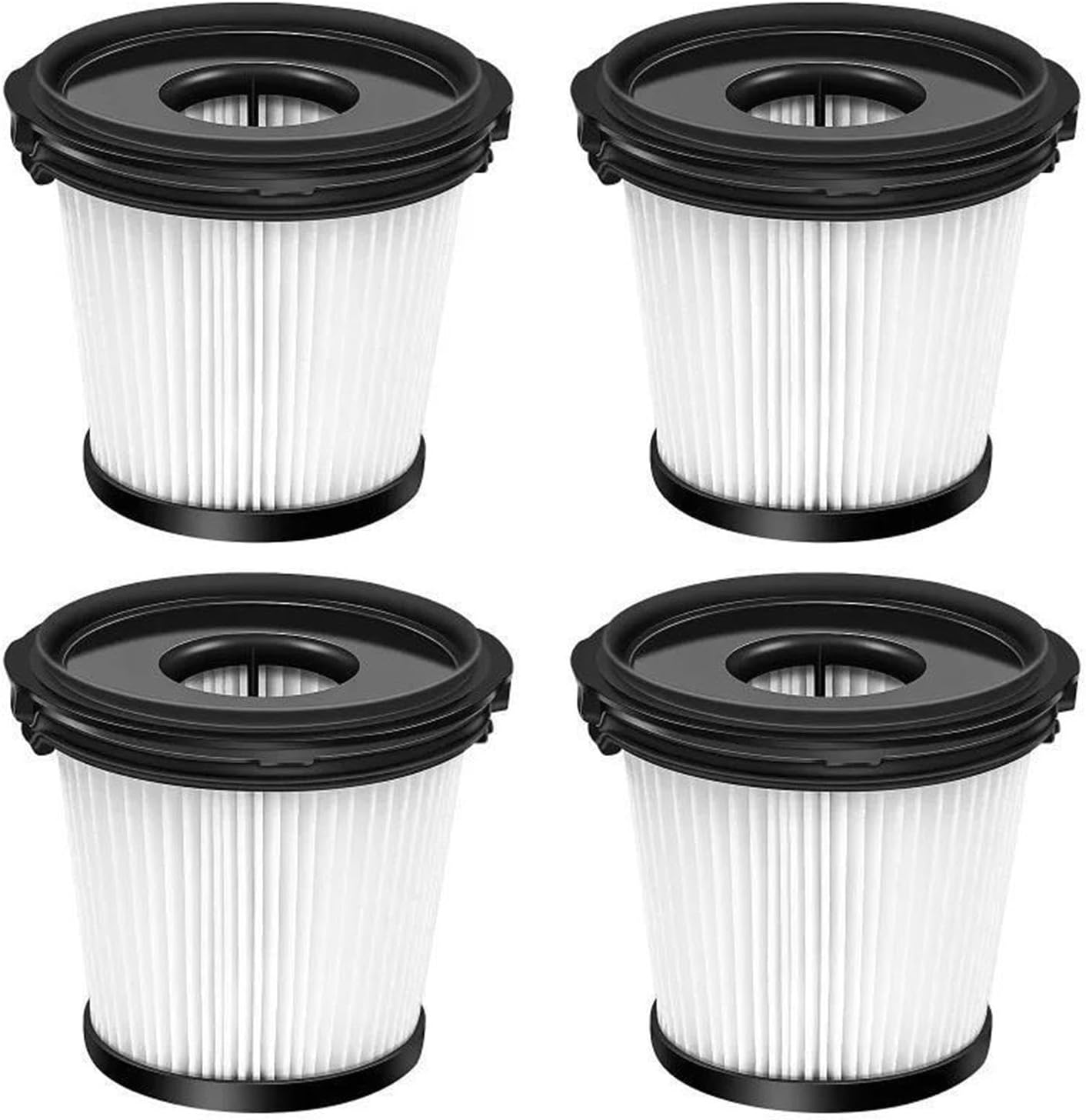
HEPA Filter 4-Pack Compatible with Shark IW3511 / IW3611 / BU3521
Four replacement filters in one order, enough to cover a normal year of changes on the listed Shark models
Not a purifier at all, and useless unless you already own one of those three Shark units
Prices and availability were captured from Amazon Creators API and may change.
How I judge a purifier
My rule at a client's house is simple: no recommendation without a particle counter reading in a real room. I will be straight with you here, because I would rather admit a gap than invent a number. I have not run these four exact units through my bench, so I am not going to hand you a CADR curve I did not measure. What I can do is read them the way I read any machine before I plug it in: intake design, filter type, how the seal is likely to hold, what the app actually measures, and what replacement filters cost down the road.
The first thing I look for is a CADR figure, the cubic feet per minute of clean air a unit delivers. It is the only spec that predicts what happens in your room. None of the three purifiers here publish a CADR I can verify from the listing text, which means every square-foot number in this article is a manufacturer claim, not a measurement. Treat 3,000 square feet and 2,059 square feet the same way: as marketing copy with a fan attached.
The second thing I look for is bypass, which is air sneaking around the filter instead of through it. It is the number one failure I find on cheap units, and it does not show up in any spec sheet. It shows up when a filter is slightly too small for its slot or the gasket is thin.
The third thing is noise at the speed you will actually run. A 15 dB sleep mode is lovely. It is also a setting that moves a fraction of the air the headline number implies. If a purifier is genuinely quiet on high, physics says it is not moving enough air.
The fourth is filter cost. Nobody budgets for it, and it is the reason half the purifiers I see in garages are sitting unplugged.
The LG PuriCare 360: built for an open room
The LG PuriCare 360 is the only unit in this group with a genuinely different airflow strategy. Instead of pulling from one face and pushing out the front, it draws air in around a full 360 degrees and pushes clean air back out in every direction. In an open floor plan, that matters. A conventional purifier is directional: you point it at the couch and hope the room's air currents cooperate. A 360 design can sit in the middle of the traffic flow and work from all sides.
The listing claims coverage up to 2,059 square feet in one hour with a NanoFiber True HEPA filter, plus WiFi and an onboard air quality monitor. The hour part is the fine print. Coverage claims are usually measured at the highest speed, with the unit running flat out, and that is not a setting you will live with overnight. Read it as "this machine can turn over a large room quickly when you need it to," not "this is what you get at your normal setting."
Two practical notes from years of installs. First, placement is everything with a 360 unit. Put it a foot off the wall, ideally somewhere near the middle of the room or in a corner with clearance on all sides. Against the wall, you have paid for 360 degrees of intake and are using maybe 180. Second, the filter is proprietary to the brand, and proprietary filters are where the long-term cost hides. Check current Amazon price on the filter before you commit to the machine, because that is the price you will pay every year you own it.
The 3,000 ft² budget unit: bedroom value, living room risk
This one leads with the biggest number in the group: coverage up to 3,000 square feet, HEPA filtration with washable double-sided filters, smart WiFi, an AQI display, a 15 dB sleep mode, and a fragrance tray. It is also the entry I would be most careful about believing.
A purifier rated for 3,000 square feet would have to move an enormous volume of air, and a machine moving that much air is not a machine you forget is running. The 15 dB sleep mode tells you the low end is genuinely quiet, and I believe that, because at low speed almost anything is quiet. What the listing does not tell you is the clean air delivery at that low speed, which is the number your lungs care about at 2 a.m. The gap between "quiet enough to sleep next to" and "cleaning the room while you sleep" is where most budget purifiers quietly fail.
The washable double-sided filters are a real plus, and I mean that. In a house with pets, the first stage is what dies, not the HEPA. A washable pre-filter that catches cat hair and dust means the expensive filter underneath lasts longer, and that is money in your pocket every year. I run a washable pre-filter in my own bedroom unit for exactly this reason.
The AQI display deserves a caveat. Those sensors read PM2.5, fine particles. They do not read smells, VOCs, or the odor of a litter box three feet away. When the number drops to green after you sear a steak, that is the sensor, not your nose, and it does not mean the air is clean.
The fragrance tray is a marketing feature, not a filtration one. It makes the room smell like a spa. It does not remove anything. If you have allergies, adding scent to the air is the last thing you want, and I would leave that tray empty.
Where it fits: a bedroom, a home office, a nursery, or a mid-size living room where you want quiet operation and a washable first stage. Not an open-plan great room, and not a 3,000 square foot house.
Dr.Prepare: the pet-hair pick on paper
The Dr.Prepare unit is rated up to 1,130 square feet with HEPA filtration, a double-sided air intake, a smart air quality sensor, a 22 dB sleep mode, a washable pre-filter, an aroma option, and it is aimed squarely at pet hair, dust, smoke, and pollen. It is the smallest reach of the three purifiers, and it is also the one whose design details I like most for a house with animals.
Double-sided intake means two faces pulling air at once. For the same fan speed, more intake area usually means less restriction and better airflow through the filter, which is the direction you want to go. Pair that with a washable pre-filter and you have a machine that is designed around the reality of pet hair rather than around a photo of a clean white living room.
The 22 dB sleep mode claim is a touch louder on paper than the other budget unit, and I would not read much into a 7 dB difference between two manufacturer numbers. Both are quiet at low speed. Neither will clean a large room at that setting.
The aroma feature is the same story as the fragrance tray above. Skip it. If you are buying this because someone in the house reacts to pollen and dander, adding a scent cartridge is working against your own goal.
What I would want to know before buying: what the replacement HEPA costs and how easy it is to find in two years. That is the question that separates a purifier you keep from a purifier you abandon. Check current Amazon price on the machine, then go find the filter listing and check that price too.
The Shark filter 4-pack: the line item that decides year two
This is not a purifier, and it does not pretend to be. It is a four-pack of HEPA replacement filters listed as compatible with the Shark IW3511, IW3611, and BU3521. I put it in this comparison because filter cost is the real price of a purifier, and almost nobody does the math before they buy the machine.
Here is the pattern I see in client homes. Someone buys a purifier, runs it happily for eight or nine months, then notices the airflow has dropped and the pre-filter is gray. They look up the replacement filter, see the price, and the machine goes into the garage next to the treadmill. The purifier did not fail. The budget failed.
Buying filters four at a time fixes that problem. You have the next one sitting on a shelf, so the swap actually happens. If you already own one of the Shark models listed, this is the boring purchase that keeps the machine useful. If you do not own one of those models, this is nothing to you, because "compatible with" means exactly those units and not a general-purpose filter.
One caution on any third-party filter: fit matters more than brand. A filter that sits slightly loose in the housing lets air bypass it, and bypass is the failure that makes a HEPA purifier into an expensive fan. When the replacement arrives, seat it, check that it sits flush with no visible gap around the edge, and if it rattles or drops in loosely, return it.
The trade-offs, plainly
The LG PuriCare 360 gives you the strongest airflow design and the widest coverage claim in this group. It also costs the most, needs floor clearance to work as designed, and locks you into a proprietary filter.
The 3,000 ft² budget unit gives you a washable double-sided filter setup, a display, and a very quiet low setting. It also gives you the least believable coverage number here, and no published CADR to check it against.
The Dr.Prepare gives you a double-sided intake and a washable pre-filter at the smallest coverage rating, which makes it a bedroom and office machine, not a whole-floor solution.
The Shark filter 4-pack gives you a year of filter changes in one order for three specific Shark models. It gives you nothing at all if you own a different purifier.
Who should buy which
Buy the LG PuriCare 360 if you have an open living area, you can place the unit with clearance on all sides, and you are willing to pay for the filter on schedule. That is the scenario where a 360 design is worth the premium.
Buy the 3,000 ft² budget unit if you want a quiet bedroom machine with a washable first stage and a display, and you understand that the headline coverage is a maximum-speed claim. Keep it in a room you can close the door on.
Buy the Dr.Prepare if pets are the problem and the room is moderate in size. The double-sided intake and washable pre-filter are the right design choices for hair and dander, and the coverage rating tells you honestly where it belongs.
Buy the Shark filter 4-pack only if you own a Shark IW3511, IW3611, or BU3521. If you do, buy it before the filter clogs, not after.
What I would verify before you check out
Find the CADR if it is published anywhere, and if it is not, assume the coverage number is a best case. Look up the replacement filter price for whichever machine you pick, because that is the annual cost of ownership and the number that decides whether the purifier survives past year one. Check the return window, because a filter that does not seal is a return, not a compromise. And measure your room honestly. A 300 square foot bedroom and a 900 square foot open floor plan are different jobs, and one machine rarely does both well.
What I am testing next
I am still working through 2026's app-connected units with a particle counter, three room sizes, and a smoke chamber that the onboard sensors cannot fake. The question I want answered is how much of a machine's headline performance survives at the medium speed people actually run overnight. When I have those numbers, this comparison gets an update with real measured airflow instead of listing claims, and I will say clearly which units hold up and which ones do not.