I started logging air purifier filter cost after a client asked me why her machine was costing her more per year than her furnace filter. She had bought it for a nursery, ran it on high for eight months, and replaced the filter twice. Nobody at the store mentioned the second filter would cost nearly as much as the first. That conversation is the reason this comparison exists, and it is the reason I put a replacement filter in the same table as two full-size purifiers.
I spent fourteen years as an HVAC technician, eight of them doing indoor air quality work in homes with asthmatic kids, wildfire smoke, and mold. I have installed and measured a few hundred purifiers with a particle counter, and I keep a logbook of CADR numbers taken at real room distances instead of lab distances. This comparison covers four things you can buy right now: two Blueair machines, a genuine Levoit replacement filter, and a small desktop unit.
The short answer: match the machine to the room before you match it to the brand. The Blueair Blue Pure 511 is the sensible pick for a bedroom or office up to a few hundred square feet, the Blueair 2-in-1 Pro is the one to consider if you want humidity and filtration from a single footprint, the Levoit Core 300-P filter is the consumable you should price out before buying any budget purifier, and the IKIER D5 is a desk-sized unit for a desk-sized problem.
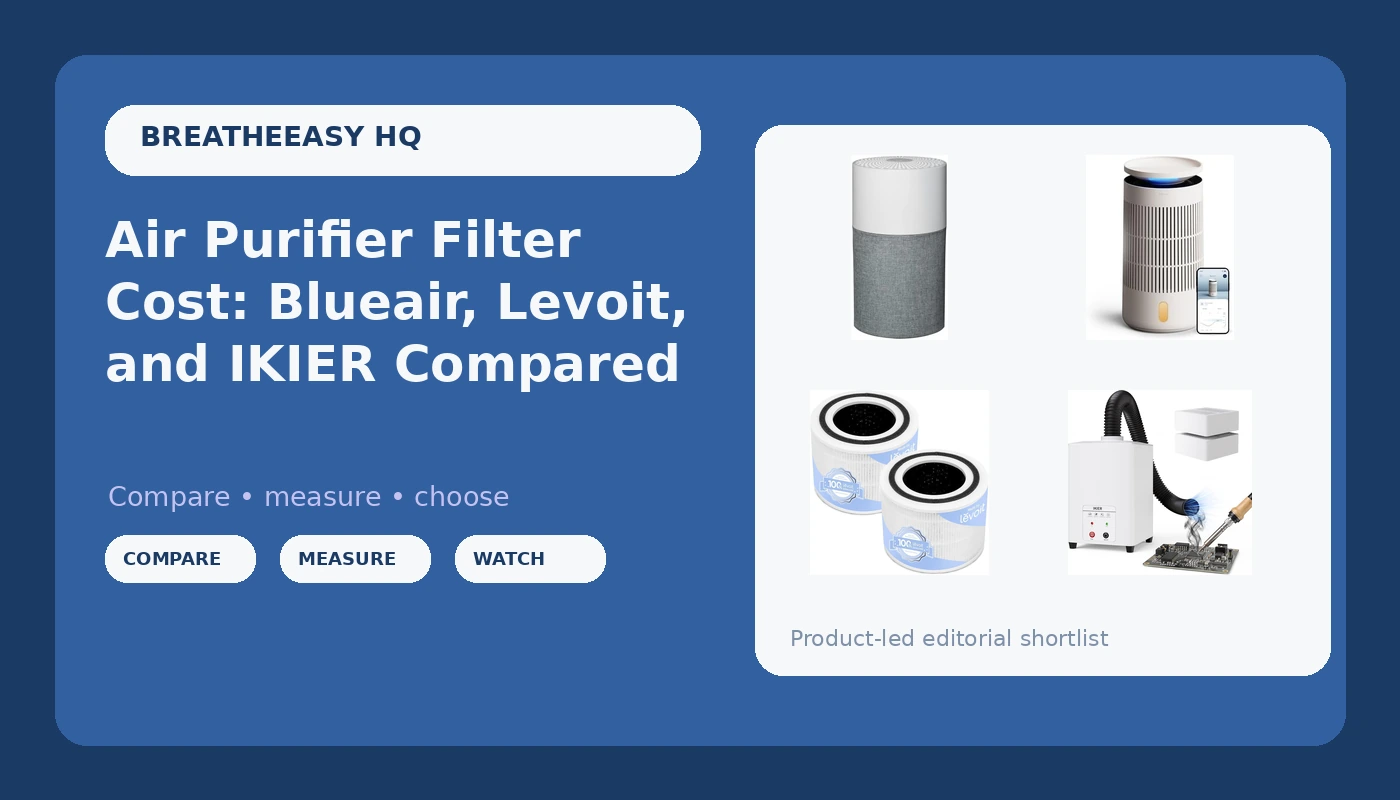
IKIER D5 Desktop Air Purifier, 3-Speed Smoke Purifier
Smallest footprint here, three speeds, built around smoke in a personal space
Desk coverage only, so it cannot carry a bedroom on its own
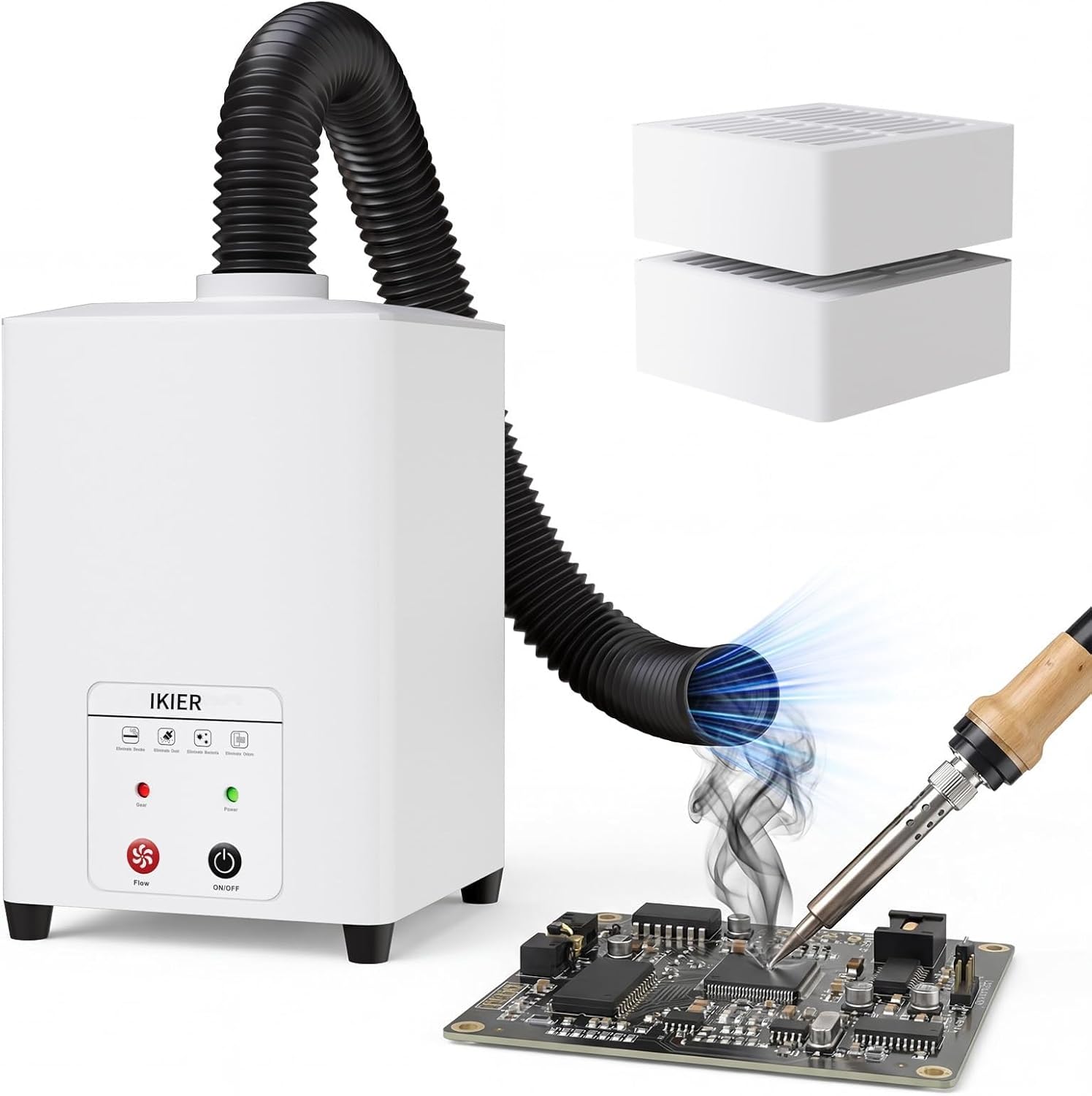
BLUEAIR Air Purifier for Home HEPA Air Purifiers for Pets, Allergies, Dust, Nursery, Office HEPASilent Techonolgy Air Cleaner for Small Rooms 432 sq ft coverage - Blue Pure 511
Right-sized for a nursery or office, and Blueair's low-noise design is a genuine advantage at night
Replacement filters are where the money goes, and that is the Blueair tax
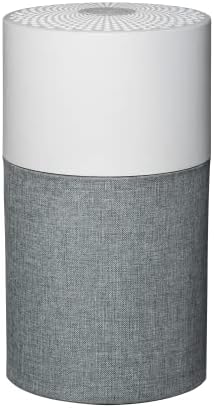
Blueair 2-in-1 Pro Air Purifier & Humidifier for Large Rooms, HEPASilent™ Removes 99.97% Allergens, Dust, Smoke, Up to 1,875 sq ft, Smart App, Skin-Hydration Mode, 360° InvisibleMist™
Filtration and humidity in one box, with app control and a large-room coverage claim
Two maintenance schedules, and the 99.97% headline arrives without a CADR next to it
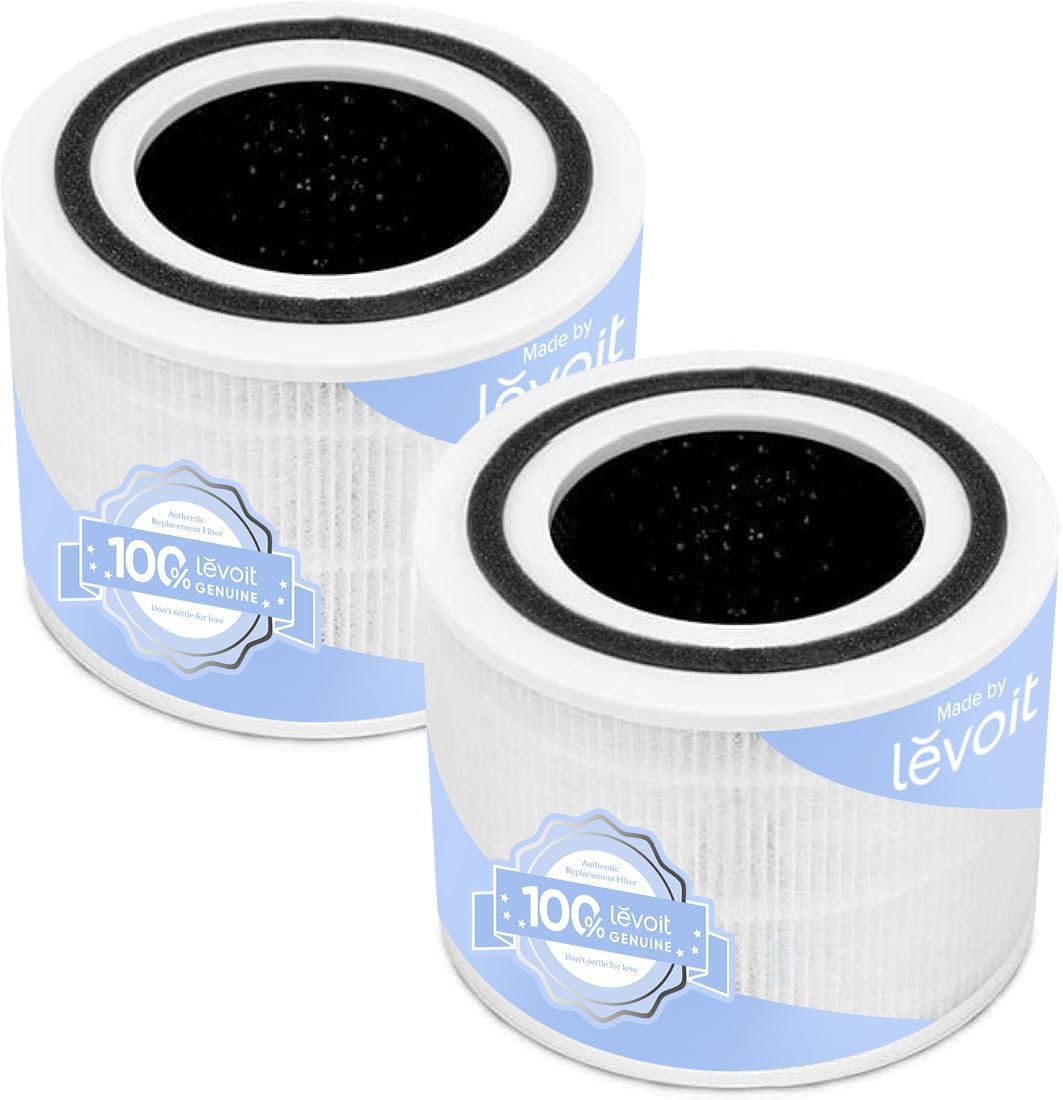
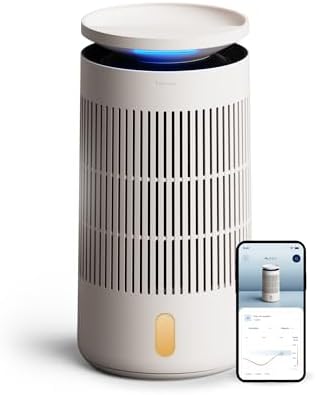
Levoit Core 300-P Air Purifier Replacement Filter, Genuine Air Filters
Genuine fit, so you are not gambling on the seal every six months
It is a consumable, not a machine, and it only fits the Core 300 line
Prices and availability were captured from Amazon Creators API and may change.
How I compare purifiers
Four questions, always in the same order.
First, what is the CADR at the speed people actually run? Almost every purifier on the market can post a big number on turbo for a press release. The number that matters is the one you get at medium, because that is the setting the machine lives on after week one. If a listing leads with a coverage figure and never gives you a CADR, you are reading marketing, not engineering.
Second, can the seal be verified? Air that slips around a filter instead of through it is the number one failure I find on cheap units. A filter that fits loosely in its frame can lose you a meaningful share of the air you are paying to move, and you will never hear it happen. That is why I care about genuine replacement filters more than I care about filter brand names. HEPA is HEPA. The fit is not.
Third, what does the filter cost per year? A purifier is a subscription with a fan attached. If the annual filter cost approaches the purchase price, you did not buy a machine, you bought a commitment. I tell every client to look up the replacement filter before they look up the purifier.
Fourth, would I install it in a kid's bedroom? That single question filters out most of the noise. A unit that needs an app to turn on, a unit that is audible across a hallway on high, a unit whose filter is hard to source: none of those survive the bedroom test.
Blue Pure 511: the small-room answer
The Blue Pure 511 is the machine I point most people to when the room is a bedroom, a home office, or a nursery. The listing puts it at 432 square feet of coverage, which is honest for what this class of purifier can do, and the HEPASilent name describes a filtration stack that lets more air move with less fan noise than a plain HEPA box of the same size. That is a real design choice, not a sticker, and it is why Blueair units tend to be the ones people actually leave running overnight.
For pets, dust, and spring pollen in a single room, this is the right shape of product. It sits low, it does not demand attention, and it does not need your phone to start moving air. If you have a kid with allergies, the small-room machine that runs at low speed for nine hours is worth more than the big-room machine that gets turned off because it is too loud.
The criticism is the same one I level at every Blueair. The filter is the expensive part, and the company knows it. You are paying twice for the privilege: once for the housing, once every time you swap the cartridge. That does not make the 511 a bad purifier. It makes it a purifier you should budget for properly before you buy, rather than after.
Blueair 2-in-1 Pro: filtration and humidity in one box
The 2-in-1 Pro is the interesting one, because it does two jobs. It is a large-room purifier with app control and a 1,875 square foot coverage claim, and it is also a humidifier, with a 360 degree mist design and a skin-hydration mode aimed at dry winter air. For a house in the Pacific Northwest with forced air heat and a bedroom that reads under 30 percent relative humidity in January, that combination is genuinely useful.
Here is my problem with the spec sheet. "Removes 99.97% of allergens" is the sentence every manufacturer prints, and it tells you almost nothing, because 99.97% of what, at what airflow, in what room? A HEPA filter that removes 99.97% of particles at a trickle of airflow is a technically true statement and a practically useless purifier. I want the CADR number next to that percentage, and I want to know what the unit does at medium, where you will actually run it.
The second issue is maintenance. A humidifier has a water tank, and a water tank has a cleaning schedule. Add a prefilter and a HEPA cartridge on top of that and you now own two machines in one housing. That is fine if you are disciplined about it. It is a problem if you are the kind of person who remembers the filter when the air starts smelling like dust.
Where the 2-in-1 Pro wins is footprint. One unit, one power cord, one app, two problems solved in a room that cannot hold a separate console humidifier and a purifier. For a large open living area, that trade is often worth the extra filter cost.
Levoit Core 300-P filter: the consumable that decides the budget
I put a replacement filter in this table on purpose, because the Levoit Core 300-P is the clearest example of the math people skip. The Core 300 line is, in my opinion, the best budget purifier for small rooms, and it is a machine I have recommended many times. It is also a machine that people buy for living rooms, where it cannot keep up, and then blame for not fixing the air.
This is the genuine filter for that line. Genuine matters here for one reason, and it is not brand loyalty. It is fit. A third-party filter can be the same media and half the price, and it can also sit a few millimeters loose in the housing and let air bypass the media entirely. You cannot see bypass with your eyes, and you cannot smell it. You can only find it with a particle counter, which is exactly the tool you do not have.
If you already own a Core 300, buy the genuine filter and stop thinking about it. If you do not own one yet, price this filter against the machine before you commit, because that ratio is the actual cost of ownership. If the filter and the purifier are close in price, the purifier is the cheap part.
One more thing: replace on schedule, not on smell. A loaded HEPA does not announce itself. Airflow drops gradually, you get used to it, and six months later you are running a $60 fan with a dirty filter inside.
IKIER D5: the desktop unit
The IKIER D5 is a different animal. It is a desktop purifier with three speeds, and the listing points it at smoke. That framing is honest about what desk units are for. They are not room purifiers. They clean the air in your personal breathing zone, roughly the space within a few feet of your face, and they do it without taking up floor space you do not have.
That makes the D5 a reasonable pick for a home office where you sit eight hours a day, a workshop bench, or a desk near a kitchen. If someone smokes in a garage office, this is the category of product that makes a measurable difference to the person sitting at the desk, even though it will never clear the room.
The trade-off is coverage, and it is not negotiable. A desktop unit cannot carry a bedroom, no matter what the box says. Buy it for the desk and it will earn its place. Buy it for the room and you will be disappointed, because physics does not care how small the machine is.
The question to ask before buying any desktop purifier is the same one I ask about everything else: what is the CADR, and is the replacement filter easy to find in a year? A desk purifier with an unobtainable filter is a paperweight with a power cord.
What the specs actually tell you
Coverage claims assume ideal conditions: open floor plan, standard ceiling height, and a machine running at its highest speed. Real rooms have furniture, doorways, and a person who turns the unit down at night because it is loud. Treat the square footage number as a ceiling, not a promise.
The 99.97% figure is a filter spec, not a purifier spec. It describes the media. It says nothing about how much air the machine pushes through that media, which is the only thing that changes the air in your room.
App sensors read particles, not smells. Most of them report PM2.5 and call it air quality. If your concern is cooking odors, pet dander settling, or a musty closet, a particle sensor will not tell you much, and a purifier with a carbon stage will do more for you than any dashboard.
And any unit that is quiet on high is not moving enough air. That is not a preference, it is arithmetic. Fan noise and airflow are the same physical event.
Which one to buy
For a nursery, bedroom, or home office up to a few hundred square feet, the Blue Pure 511 is the pick, and the honest advice is to buy it with the filter cost in mind from day one.
For a large living area that is dry in winter, the Blueair 2-in-1 Pro solves two problems with one footprint, and it is worth the maintenance schedule if you will actually keep up with it.
For a Core 300 owner, the Levoit Core 300-P is the correct consumable, and buying the genuine part is cheap insurance against a seal you cannot inspect.
For a desk, a workshop bench, or a garage office, the IKIER D5 covers the person rather than the room, which is exactly what that category should do.
What I'm measuring next
I am working through a batch of 2026 smart purifiers with a particle counter, in three room sizes, plus a smoke chamber test that app-based sensors cannot fake. The pattern I expect to confirm is the one I have seen for a decade: the price of a purifier predicts its marketing budget, not its clean air delivery rate. When the numbers are in, I will publish them here, next to the filter cost, which is the number nobody wants to talk about and everybody ends up paying.