I have spent fourteen years crawling through attics and bedrooms around Portland with a particle counter in one hand and a clipboard in the other, and the conversation always starts in the same place. Someone bought a purifier during a bad smoke week, ran it happily for a year, then went to reorder and found that the air purifier replacement filter cost nearly as much as the machine did. That is the comparison almost nobody runs at checkout, and it is the one that decides whether you got a deal or a subscription with a fan attached.
Related: HEPA Filter Replacement Schedule for Wildfire Smoke Season
The short version: if you need cleaner air this month, buy a machine. If you already own a purifier, the filter is the entire ballgame, and the two filters below keep two of the most common bedroom purifiers in America running. The two machines and the two filters in this comparison do completely different jobs, which is exactly why putting them side by side is useful. One purchase cleans a room. The other purchase determines what that cleaning costs you every year after.
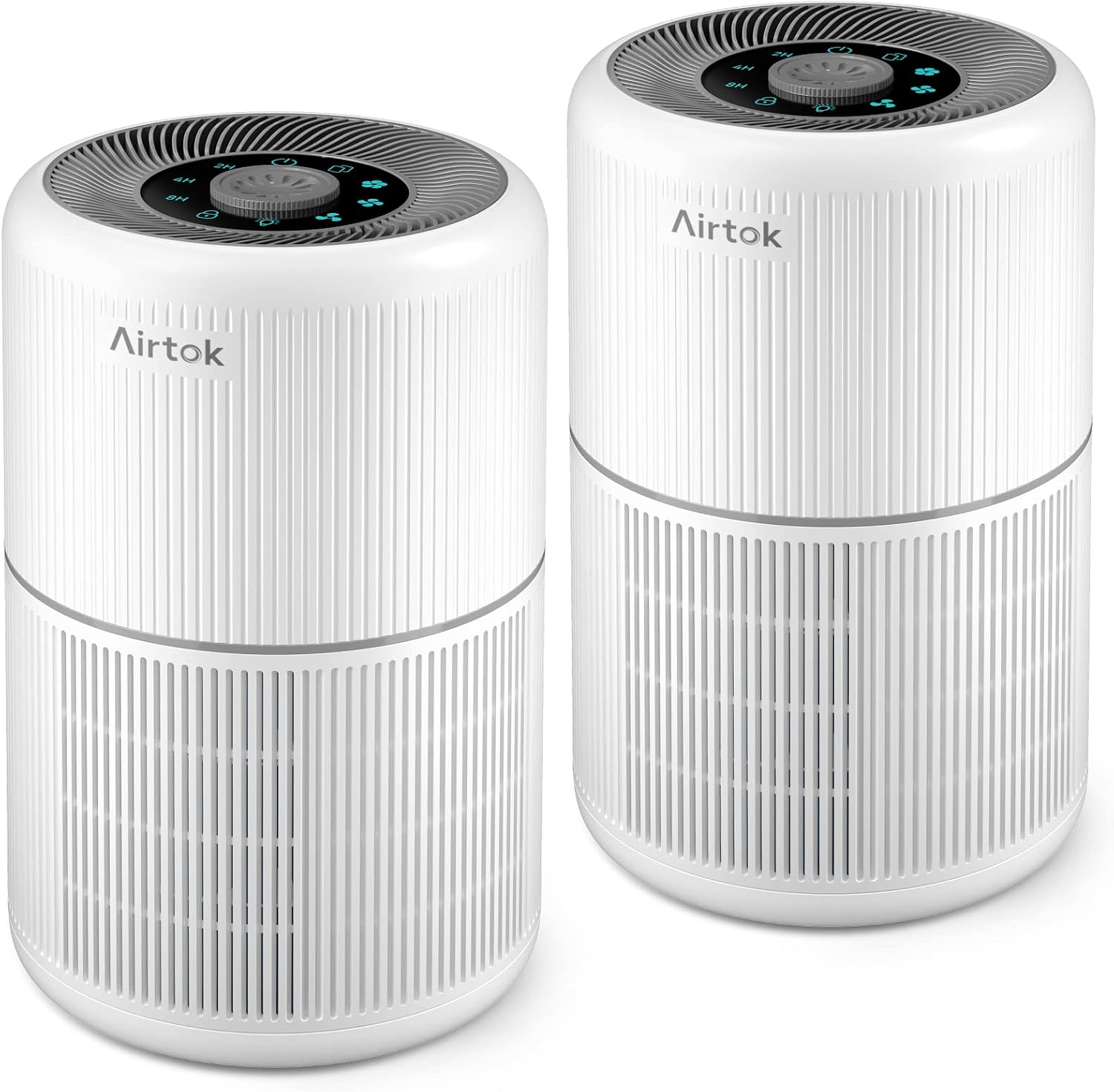
2 Pack Air Purifier for Home Bedroom with H13 True HEPA Filter for Smoke, Smokers, Dust, Odors, Pollen, Pet Dander
Two units for two small rooms, H13 media, and a form factor aimed squarely at bedrooms
The name leads with a removal percentage instead of a CADR number, and two small units will never equal one properly sized machine

GermGuardian Filter B HEPA Pure Genuine Air Purifier Filter, for AC4825, AC4300, AC4850, AC4880, AC4900, CDAP4500, AP2200, FLT4825
Genuine media for a huge installed base of GermGuardian towers, and the cheapest way to rescue a purifier you already own
Useless unless you own one of the listed models, and the pollutant percentage on the label tells you nothing about your room
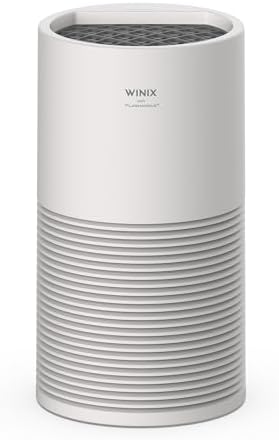
Winix 5300-2 Air Purifier with True HEPA, PlasmaWave and Odor Reducing Carbon Filter
A long-running platform with a real odor stage, which matters more than most shoppers realize
It locks you into Winix filters, and PlasmaWave is a feature you should be able to switch off
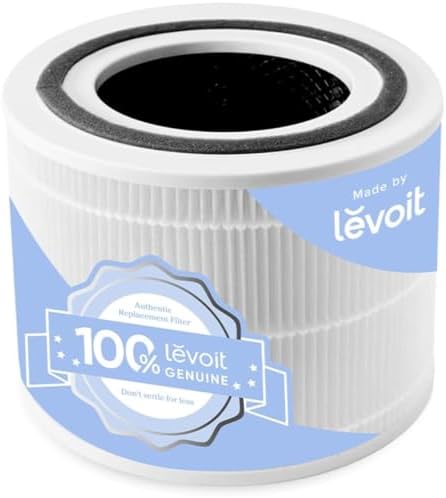
Levoit Core 300-P Air Purifier Replacement Filter, Genuine Air Filters
Genuine replacement media for one of the most common budget purifiers sold, keeping a working machine out of the trash
Only fits the Core 300 family, and the copycat versions are cheaper precisely where it counts
Prices and availability were captured from Amazon Creators API and may change.
How I compare a machine against a filter
These four products are not competitors. Two of them are complete purifiers and two of them are consumables for purifiers you may already own. The honest way to compare them is on the question each one answers.
The machines answer: can I move enough clean air through this room to matter? That is a question about CADR, which stands for Clean Air Delivery Rate, the cubic feet per minute of filtered air a unit actually delivers. CADR is measured at a fan speed, and almost every manufacturer advertises the number from the highest speed, which is the speed nobody runs at night because it sounds like a hair dryer.
The filters answer: what does it cost me to keep the machine I already bought working properly? That is a question about price per filter, how often you replace it, and whether the media is genuine or a cheap copy that lets air slip around the edges.
When I evaluate a purchase for a client, I write both numbers on the same page. Machine cost plus three years of filters. If that total makes them flinch, we pick a different machine, because the flinch happens again in month eight when the filter light turns on.
The removal percentage is the least useful number on the box
Every product in this table mentions a percentage. The budget two-pack claims quiet 99.9 percent removal down to 0.1 microns. The GermGuardian filter claims 99.97 percent of pollutants. Those numbers describe what the media can capture when air passes through it under test conditions. They say nothing about how much air the machine moves, and that is the part your lungs care about.
A filter that removes 99.97 percent of particles at a trickle of airflow will lose to a slightly less efficient filter with three times the airflow, every single time, in a real bedroom with a real door and real furniture blocking the intake. This is why I get annoyed when a listing shouts about efficiency and stays silent about CADR. It is not a lie. It is a distraction.
If a listing gives you a CADR number, check which speed it belongs to. If it gives you a room size, treat it as a ceiling for a room with an eight foot ceiling and no hallway. If it gives you neither, ask the seller before you buy, or buy from someone who publishes it.
The two machines and who each one fits
The two-pack of H13 units is built for the scenario I see most often: two bedrooms, two kids, one budget. Buying a pair means each room gets its own unit instead of one machine that gets carried down the hall every night and forgotten on the third day. H13 media is a legitimate grade of HEPA, and the odor and smoke language in the name is aimed at the same wildfire anxiety that drives most of my September calls. The catch is that these are small units. A pair of small purifiers in a large open living room is a waste of money, and no amount of marketing changes the airflow math. Put them in bedrooms, close the doors, and run them where people actually sleep.
The Winix 5300-2 is the opposite kind of purchase. It is a single, larger, established platform with True HEPA media and a carbon stage for odors, and the odor stage is the piece people underestimate. Smoke and pet smell are gases, not particles, and a HEPA filter alone does not touch them. The carbon stage does, until it loads up, which is why carbon filters have a shorter useful life than most owners assume. The 5300-2 also runs PlasmaWave, a feature I want the option to turn off, and it takes Winix's own filters, which sets your future cost. Neither of those is a dealbreaker. Both are things you should know before the box arrives.
The two filters and the machines they keep alive
The GermGuardian Filter B is a genuine replacement for a long list of GermGuardian tower models, and that list is the whole point. If your model number is on it, this filter is the difference between a purifier that works and a purifier that is a decorative tower with a light on it. GermGuardian sold an enormous number of these towers over the past decade, and most of them are still sitting in bedrooms with a filter that should have been changed a year ago. A clogged HEPA does not just clean less. It starves the fan, moves less air, and gets louder while doing it. People email me convinced their machine is dying when the real problem is a filter that looks gray and feels like felt.
The Levoit Core 300-P is the genuine replacement filter for the Core 300 family, which is the machine I recommend most often to renters and to anyone furnishing a first apartment. It is a small purifier and it should stay in a small room. I have said this in every conversation I have had about it: people buy it for a living room and then wonder why the air still smells like the dog. The filter is not the problem. The room size is.
Here is where I differ from a lot of reviewers. I do not care much whether a filter is branded, as long as the media is real HEPA and the gasket seals. I do care about the copycat problem. Aftermarket filters are cheaper, and the cheap ones frequently have a thinner frame and a softer gasket, which lets a measurable amount of air bypass the media entirely. You paid for clean air and you got a fan with a suggestion of filtration. Genuine media removes that variable. That is the argument for both of the filters in this table.
The seal is the spec nobody prints
I have opened enough purifiers to say this plainly: the number one failure I find in the field is not bad media, it is air sneaking around the media. Bypass. It happens on cheap machines, on expensive machines with a filter that was jammed in crooked, and on genuine filters installed by someone in a hurry at 11 p.m.
The check takes five minutes. Pull the filter, look at the gasket, put it back, and press on the frame until you feel it seat evenly on all four sides. Then run the machine on high and hold a tissue near the seam where the housing meets the filter. If the tissue flutters, air is going around instead of through. That flutter is the difference between the efficiency number on the box and what your room actually gets.
This is also why I tell people not to buy a replacement filter that does not list the exact models it fits. The GermGuardian filter names its models right in the product title, which is a good sign. The Levoit filter names its series. Fit is not a detail. Fit is the product.
Cost of ownership, run before you click
The exercise I run with every client takes two minutes on a piece of paper.
First line: the price of the machine. Second line: the price of one replacement filter. Third line: how many filters you will buy in three years. Add them. That total is the real price of clean air, and it is the number I want you to compare, not the sticker on the box.
Then run the same math for the alternative. If you own a GermGuardian tower and the filter costs a fifth of what a new purifier costs, replacing the filter is almost always the right call. The machine still moves air. The motor is fine. You are buying media, not a new appliance.
If you own nothing and you are choosing between the two machines here, the decision is about room size and count, not brand loyalty. Two small units for two small bedrooms, or one larger unit for one larger space. Buying a single small purifier for a big open room is the most common mistake I see, and it is the one that leads people to conclude that purifiers do not work. They work. They are just sized wrong.
And whatever you buy, check the current filter price before you commit, and check it again at the six month mark. Filter pricing moves, and a machine that was a bargain at purchase can become expensive to keep. I print the replacement cost next to the machine cost in every recommendation I write for a reason.
What I would buy, by situation
If you are setting up two bedrooms on a budget, the two-pack of H13 units is the cleanest answer, because one unit per room beats one unit shared between rooms. Close the doors at night and let them run.
If you have a medium or large living space and smoke or pet odor is part of the problem, the Winix 5300-2 is the more serious machine, and the carbon stage is doing work a HEPA-only unit cannot do. Plan for its filters in your budget from day one.
If you already own a GermGuardian tower, buy the Filter B and stop shopping. If you already own a Core 300, buy the genuine Levoit filter and keep that machine in a bedroom, where it belongs.
What I am testing next
I am in the middle of a smoke-chamber run on eight 2026 units, comparing what the onboard air quality sensors report against a real particle counter at three room distances. The early pattern is not flattering to the app-connected models. I will have numbers, not adjectives, when it is done.
The other thing on my bench is a filter cost audit across the twelve most common bedroom purifiers, because the gap between the cheapest and most expensive replacement path is wider than most people would guess. That one is going to make a few brands uncomfortable, and it is going to save a lot of people money.