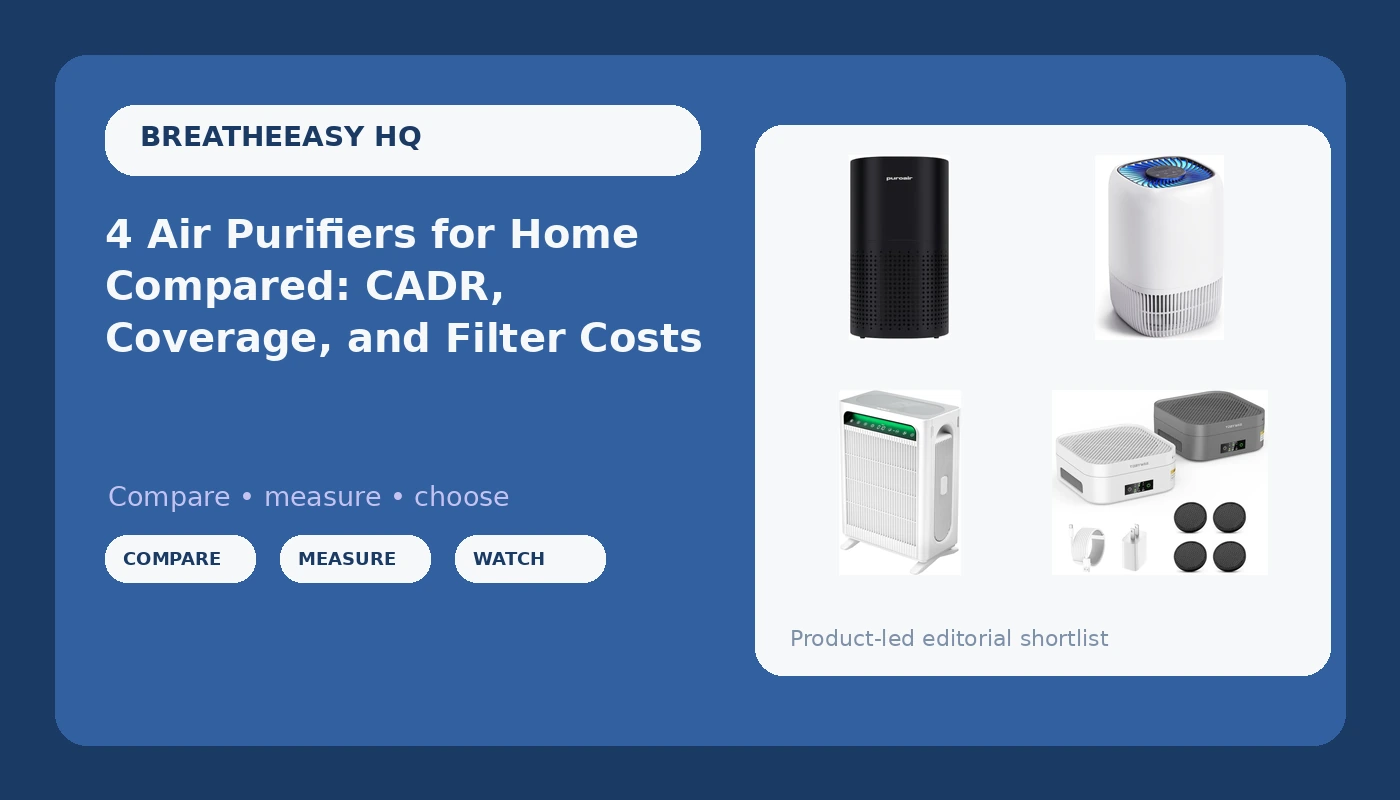
I have spent 14 years in HVAC, and 8 of those years running a particle counter through houses with asthmatic kids, wildfire smoke slipping under the door, and mold I could smell before I found it. That is the lens I use when I compare air purifiers for home use, and it is not the lens the listings use. A spec sheet wants you to read "up to 1,695 square feet" and picture clean air. A particle counter wants to know how much air the machine actually moves through a sealed filter, because everything else is decoration.
Related: Air Purifier CADR Explained: Why Coverage Claims Mislead
The best pick for most homes here is the PuroAir 240, because the pet-and-bedroom filter setup plus a 1,000 square foot coverage claim puts it in the range where a single unit can hold a normal bedroom or a small living room, and the prefilter stage is what keeps the HEPA alive when you have animals. That is the short answer. The long answer involves why a two-pack beats one big unit in some houses, why a low price tag is the least important number on the page, and why "high efficiency filter" is not a synonym for HEPA.
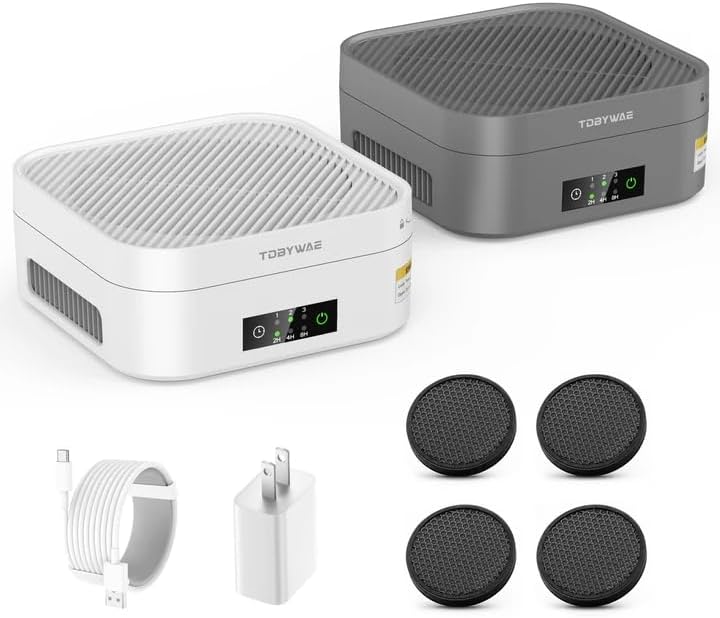
Air Purifiers for Home, 2 Pack Air Purifiers with 2 Filters Replacement
Two units and two spare filters in one box, which is the cheapest path to covering two separate small bedrooms
Neither unit is sized for a large open living space, and two small fans are not one big one
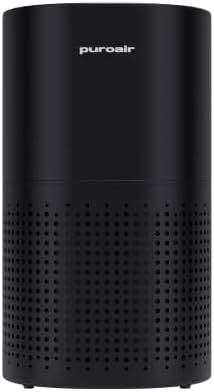
PuroAir 240 HEPA Air Purifiers for Home Pets Bedroom - Filter 1,000 Ft²
HEPA filter with a pet-focused design and a 1,000 square foot claim that suits a real bedroom
A single unit still cannot serve two rooms, and the filter cost is the number to check before you buy
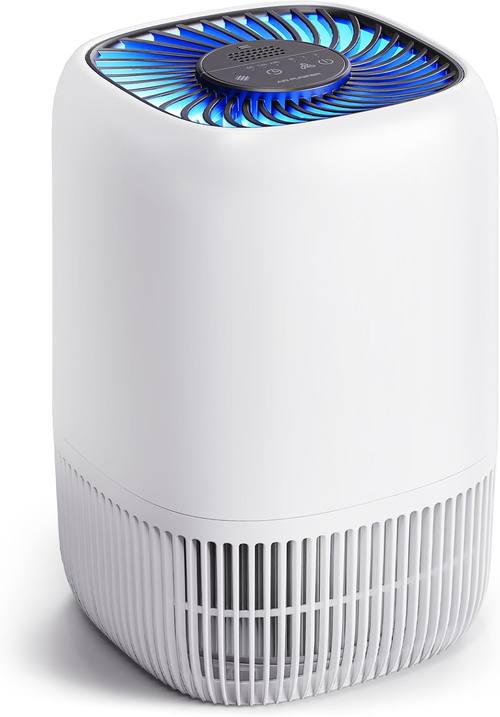
VOOPNU Air Purifiers for Home, High Efficiency Filter Up to 1076 Ft², White
The lowest entry cost of the group and a 1,076 square foot coverage claim in a compact white cabinet
"High efficiency filter" is not the same phrase as HEPA, and you should confirm the filter spec before trusting the number
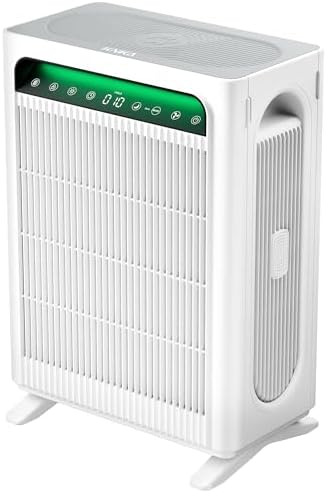
KNKA Air Purifiers for Home Bedroom Up to 1,695 Ft² in 1 Hr, APH4000, White
The largest coverage claim of the four, and the one I would start with for an open living area
Coverage "in one hour" is a different promise than coverage at the turnover rate most rooms need
Prices and availability were captured from Amazon Creators API and may change.
How I compare air purifiers
Four things, in this order. First, CADR, the Clean Air Delivery Rate, which is cubic feet per minute of clean air the machine actually delivers. If a listing will not give you one, you are buying a fan with a filter and a story. Second, the seal. Air that slips around the cartridge instead of through it is the number one failure I find on inexpensive units, and you cannot see it from the outside. Third, the cost of the replacement filter per year, because that is the real price of the machine and almost nobody budgets for it. Fourth, noise at the speed you will actually run, which is medium, not low.
Notice that price and brand are not on that list. HEPA is HEPA. The name molded into the filter housing matters far less than whether the housing closes tight around the media.
One more piece of math worth doing before any of these boxes arrives. A coverage number like 1,000 square feet usually assumes one air change per hour, which is a weak standard for a bedroom where a kid is sleeping. For allergy symptoms and smoke, you want four to five air changes per hour in the room the person actually occupies. That means the honest room size for a given unit is roughly a quarter of the headline number. Read every coverage claim through that filter.
The two-pack play
The two-pack from this group is the odd one out, because it does not try to be one big machine. You get two purifiers and two replacement filters in a single order. For a house with two small bedrooms on the same hallway, that is a better arrangement than one large unit parked in the corridor, because a purifier cleans the room it sits in, not the floor plan.
Where it loses is the open plan. Two small fans do not add up to one large one in a 400 square foot living room with a vaulted ceiling, and anyone who buys a pair expecting living-room performance will be disappointed and will blame the machine instead of the sizing. Put one in each kid's room, run them on medium overnight, and the setup makes sense. The included replacement filters are the quiet win here, because the second filter is the expense most people forget until month nine.
The pet-and-bedroom pick
The PuroAir 240 is the unit I would hand to a household with cats or dogs. The design brief is right there in the name: home, pets, bedroom, 1,000 square feet. Pet hair is the specific problem, and the answer to pet hair is a prefilter, the washable first stage that catches fur and coarse dust before it reaches the HEPA media. Without that stage, you replace the expensive filter on the animal's schedule instead of yours.
The thing to verify before you buy is the replacement filter cost and how easy it is to find. A purifier with a proprietary filter that costs half the machine price is a subscription you did not agree to. The other honest limitation: 1,000 square feet is a headline, not a guarantee. In a bedroom, this is more machine than you need, which is fine. In an open living space shared with a kitchen, it is doing its best and probably not enough.
The cheap-room pick
The VOOPNU unit is the lowest-cost way into this comparison, and the price is genuinely attractive for a spare room, an office, or a rental where you do not want to invest much. The white cabinet is compact, and the coverage claim of up to 1,076 square feet puts it in the same conversation as the PuroAir on paper.
Here is my caution, and it is the same caution I give clients on the phone. "High efficiency filter" is marketing language. It is not a certification, and it is not the word HEPA. Before this becomes the purifier in a room where someone with asthma sleeps, confirm that the filter is true HEPA and that a CADR number exists for the unit at a realistic speed. If neither exists, this is a dust-and-hair machine, which is still useful, just not what an allergy household is shopping for. The low price is real. The question is what you are getting for it.
The large-room pick
The KNKA APH4000 carries the biggest number of the group at up to 1,695 square feet, and the phrasing matters: in one hour. That is a single air change, which tells you the machine can move a lot of air through the filter when it is turned up. For an open living area, a finished basement, or a room where smoke is the concern, that airflow capacity is the reason to pick it.
The trade-off is noise, and it is physics, not a design flaw. If a purifier is quiet on its highest setting, it is not moving enough air, and no amount of app polish changes that. A big unit earning its coverage number will sound like a big unit. Run it high while you are out of the room or during a smoke event, and drop it to medium for sleeping. Check the filter price before you commit, because a large machine takes a large filter, and large filters cost more per replacement.
The trade-offs nobody puts in the listing
Coverage numbers are the biggest offender. They are usually calculated at one air change per hour in a room with an eight foot ceiling, and they assume the purifier is centered in the space with nothing blocking it. Real rooms have beds, sofas, and doorways. Cut the claim by three quarters and you have a number you can trust.
Noise claims are the second offender. "Whisper quiet" is almost always measured at the lowest speed, where the machine is barely cleaning anything. My rule is simple: buy the airflow you need for the room, then accept that high speed is loud. If you need quiet at night, size the unit so medium is enough.
The third is the filter. Nobody prints the yearly cost next to the purchase price, and that is exactly why it belongs in the decision. A cheap purifier with a costly proprietary filter is more expensive over three years than a mid-priced one with a widely available filter. Buy the machine once. Buy the filter forever.
Which one goes in which room
For a kid's bedroom with allergies, the PuroAir 240 with its HEPA and pet-focused design is the straightforward choice. For two small bedrooms on a budget, the two-pack covers both rooms and includes the spare filters. For an open living area or a smoke season plan, the KNKA APH4000 has the airflow to matter. For a spare room or a workshop where you want filtration without spending much, the VOOPNU unit is the low-cost entry, provided you confirm the filter spec.
None of these four is a bad machine. They are different sizes of the same job, and the mistake I see most often is a person buying the cheapest unit for the largest room and concluding that air purifiers do not work. They work. They just have to be matched to the space, sealed properly, and fed a filter on schedule.
That is the whole test I apply before anything gets recommended for a bedroom where a kid sleeps. Show me the CADR, show me the seal, and show me the filter cost per year. The rest is a fan with good lighting.