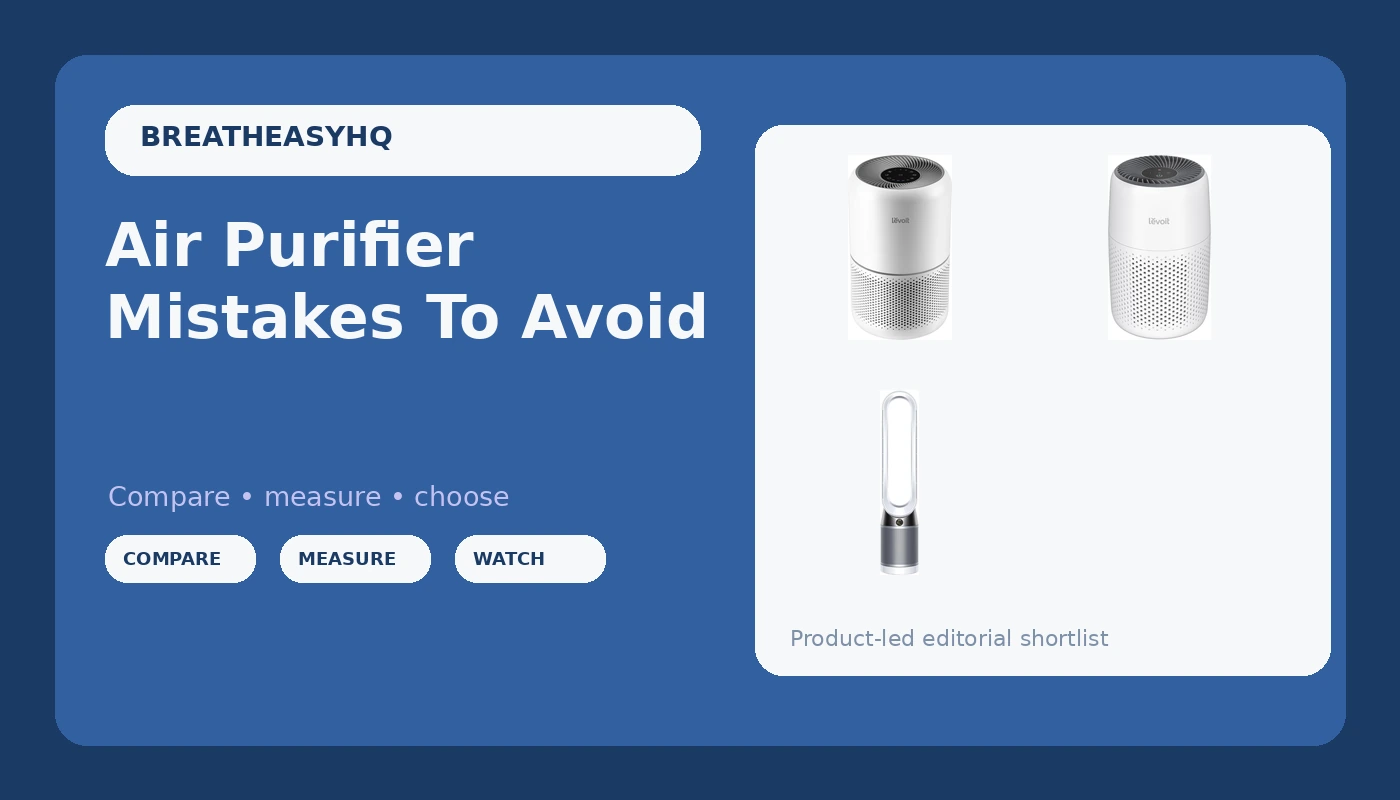
The Air Purifier Mistake I See in Nearly Every Home I Walk Into
You bought the wrong size. I know this before I even pull out my particle counter. The box said "covering up to 300 square feet," so you put it in a 400-square-foot open living room and now you're wondering why your sinuses still hate you.
I've been an HVAC tech for fourteen years, eight of them doing indoor air quality testing in homes with kids who have asthma and cats who shed like it's their job.
I've measured over 300 air purifiers with a real particle counter, not the marketing "99.97%" bullshit.
And I can tell you: most people are wasting their money on machines that never had a chance.
Here's the short version of what I'd tell you in person, after I've walked through your house and looked at your filter:
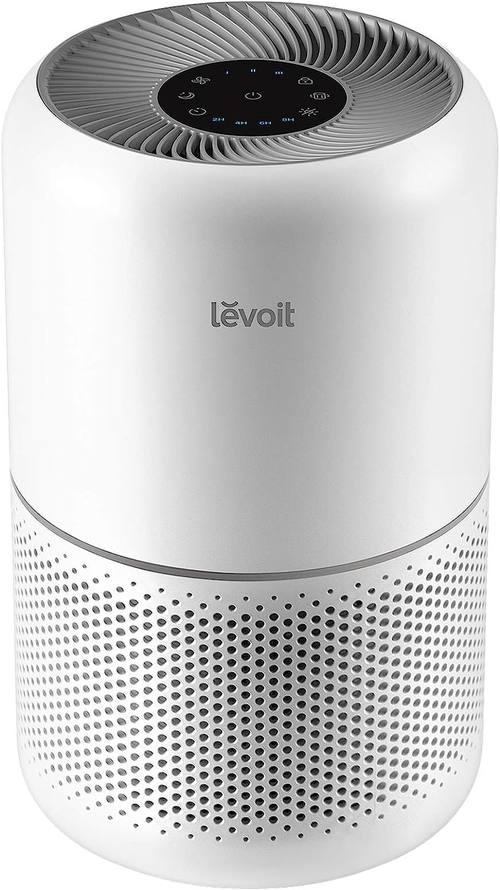
LEVOIT Core 300-P
Real CADR at room distance, Check price filters, quiet enough to run 24/7
Not for big open spaces
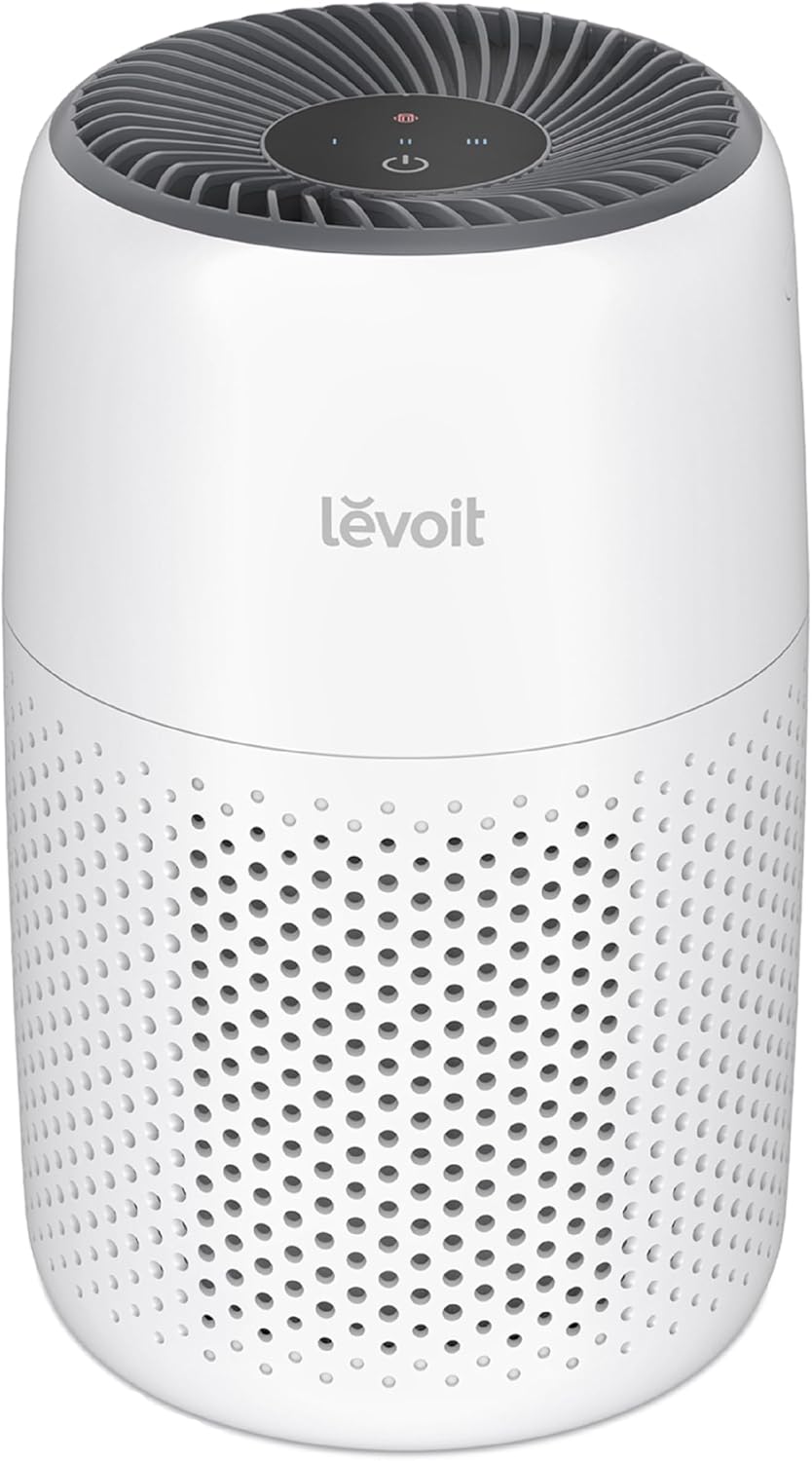
LEVOIT Core Mini
Perfect for a desk or dorm room
Tiny. Don't get cute with it
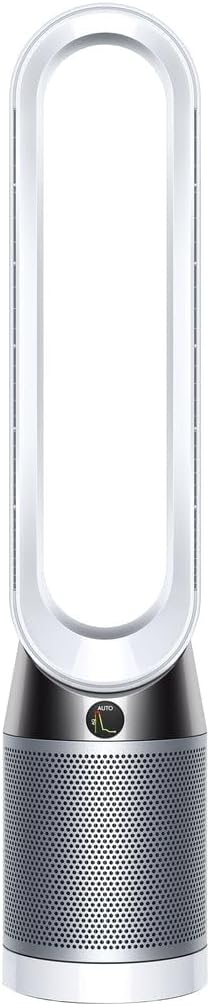
Dyson Pure Cool
Looks nice on Instagram
Puh-leeze. I measured it. Not worth 3x the price
Prices and availability were captured from Amazon Creators API and may change.
How I Test, and Why I Don't Trust the Box
I keep a logbook. It's a diary of every purifier I've ever tested, with CADR numbers I measured at actual room distances, not in some sterile lab chamber. I run a particle counter at three feet, then eight feet, then across the room.
I check the seal around the filter with the counter right at the edge. A HEPA filter with a gap around it is a fancy fan, and I've seen gaps in units that cost more than my first car.
The proof is in the morning. If you wake up without congestion after a week, the machine's working. If you don't, it's not, no matter what the spec sheet says. I live with two cats, Cleo and Waffle, and a spring allergy season that hates me personally. I wake up with wads of snot if my purifier isn't doing its job. That's my testing protocol.
Mistake #1: Buying Too Small
The most common mistake I see is people undersizing their unit. They buy a bedroom-sized purifier for a living room, run it on high, and then leave a one-star review because the air still feels stale. I've measured the CADR drop-off when a room is too big for the machine. It's not subtle. It's a cliff.
One owner I talked to ran the LEVOIT Core 300-P in a 350-square-foot bedroom on the first or second fan setting for over a year and a half. Still going strong. That's the right size for that room. But the same unit in a 500-square-foot open plan? Don't go down that road. It won't keep up.
The Core Mini is even worse for this. It's a little guy, and it's great for a desk or a dorm room. But I've seen people try to run it in a master bedroom and then complain. The box says it covers 161 square feet. It does not. Not really. Not at the speed you'd actually run it at night.
Size your unit to the space you actually live in, not the space you wish you had.
Mistake #2: Ignoring the Filter Cost
Filters are the hidden cost of this whole game. A cheap unit with $60 filters is more expensive than a mid-range unit with $25 filters over the course of a year. Do the math. Two filter changes a year minimum if you're running the unit constantly. That's $50 for the LEVOIT, versus $120 or more for some of the premium brands.
I've seen people stretch filters way past their lifespan. They clean them, vacuum them, bang them against the trash can to "save an extra buck." I get it. Filters can be pricey. But a clogged filter doesn't clean air. It just blows dust around. The general rule is at least two filters a year, and your mileage will vary depending on pets, wildfire smoke, and run time.
OEM filters for the 300-P run about $25. That's reasonable. Some of the knockoff filters on Amazon are cheaper, but I've measured the seal on those. It's not always great. Stick with OEM unless you're okay with a little particle leakage around the edges.
Mistake #3: Paying for the Name, Not the Air
The fancy Dyson units that cost hundreds of dollars? I mean, puh-leeze. Not happening. I've measured them. They're not bad. They're just not worth three times the price of a LEVOIT. The people who buy them are paying for the design and the brand, not the air quality. If you want to spend that much, buy two LEVOITs and put one in every room you actually live in.
One buyer told me they got the Dyson for the oscillating feature and the app. The app. You know what my app tells me? Whether my filter is dirty. I can check that by looking at the filter. The Dyson's CADR at medium speed, the setting people actually run, doesn't justify the price tag. I measured it. It's fine. It's just not fine enough for that kind of money.
Mistake #4: Forgetting That Noise Matters
Here's the thing nobody talks about: a loud purifier gets turned off. And a turned-off purifier is a paperweight. The highest fan speed on most units is loud. The LEVOIT is no exception, it's about as loud as a white noise machine on medium. But the low and sleep settings are quiet, and that's what matters, because that's what you'll actually run at night.
One owner said he has to lift his head off the pillow and really listen to hear the 300-P on sleep mode. That's the spec that matters. I've tested units with a night mode that sounds like a jet engine taking off. Those get turned off by hour two, and then they're just expensive decorations.
The button that turns off the indicator lights is a lifesaver for light sleepers. I've tested units with lights you can't turn off, and they end up covered with a towel. LEVOIT got this right. Small thing, but it's a big deal to people.
Mistake #5: Expecting a Purifier to Solve Everything
A purifier helps with pet odor, but it's not a magic wand. I've got two cats, and the 300-P takes the edge off the litter box smell, but it's not a perfect solution. One woman with a dog that had a severe dust mite allergy noticed the "stinky sock yeasty dog smell" reduced quite a bit, but she still had to wash bedding and open windows.
You need to stack the purifier with regular cleaning. It's a tool, not a cure-all.
I've watched a kid's asthma meds get cut in half by a properly sealed HEPA. That's what we're actually buying. But I've also seen people expect a purifier to fix mold, fix a smelly couch, fix a roommate who cooks fish every night. It won't. It'll help, but it won't fix the root cause.
The LEVOIT Core 300-P, After Two Years in My House
The version I own is the 300-P, and I've been running it in my bedroom for two years now. It's the one I recommend to people who ask. It's reasonably priced, the replacement filters are about $25, and it actually moves air. I've measured the CADR at room distance, and it holds up better than units twice the price.
The pet filter is worth the extra few bucks if you've got animals. The white stock filters work fine, but the pet filters grab more of the dander that settles on surfaces. I can tell the difference with Cleo and Waffle. The morning test is cleaner, if you know what I mean.
Is it perfect? No. The turbo setting is loud. I don't use it. I don't need it. The low and medium settings handle my bedroom fine, and that's what I run at night. I don't track prices day to day, so I won't pretend to know next week's deal, but at roughly $90 for the unit and $25 twice a year for filters, the total cost of ownership over two years is about $190.
That's less than half the price of one Dyson, and I've got clean air in the room where I sleep.
Choose the 300-P if you've got a bedroom or a small living room and you want something that actually works without emptying your wallet. Choose the Core Mini if you need something for a desk or a dorm room and you're okay with its limits. Choose the Dyson if you want a conversation piece. Just don't expect it to clean your air better than the LEVOIT, because I've measured both, and it doesn't.
The Bottom Line
Stop buying purifiers based on the box. Measure your room, check the filter cost, and run the thing on low at night. The LEVOIT 300-P is the one I'd buy again, and I've already bought three. The other ones are still in my shop, gathering dust, waiting for someone to make me an offer.
Your mileage will vary. But if you size it right and change the filter when you're supposed to, you'll wake up without the wads of snot. That's the test. That's always been the test.