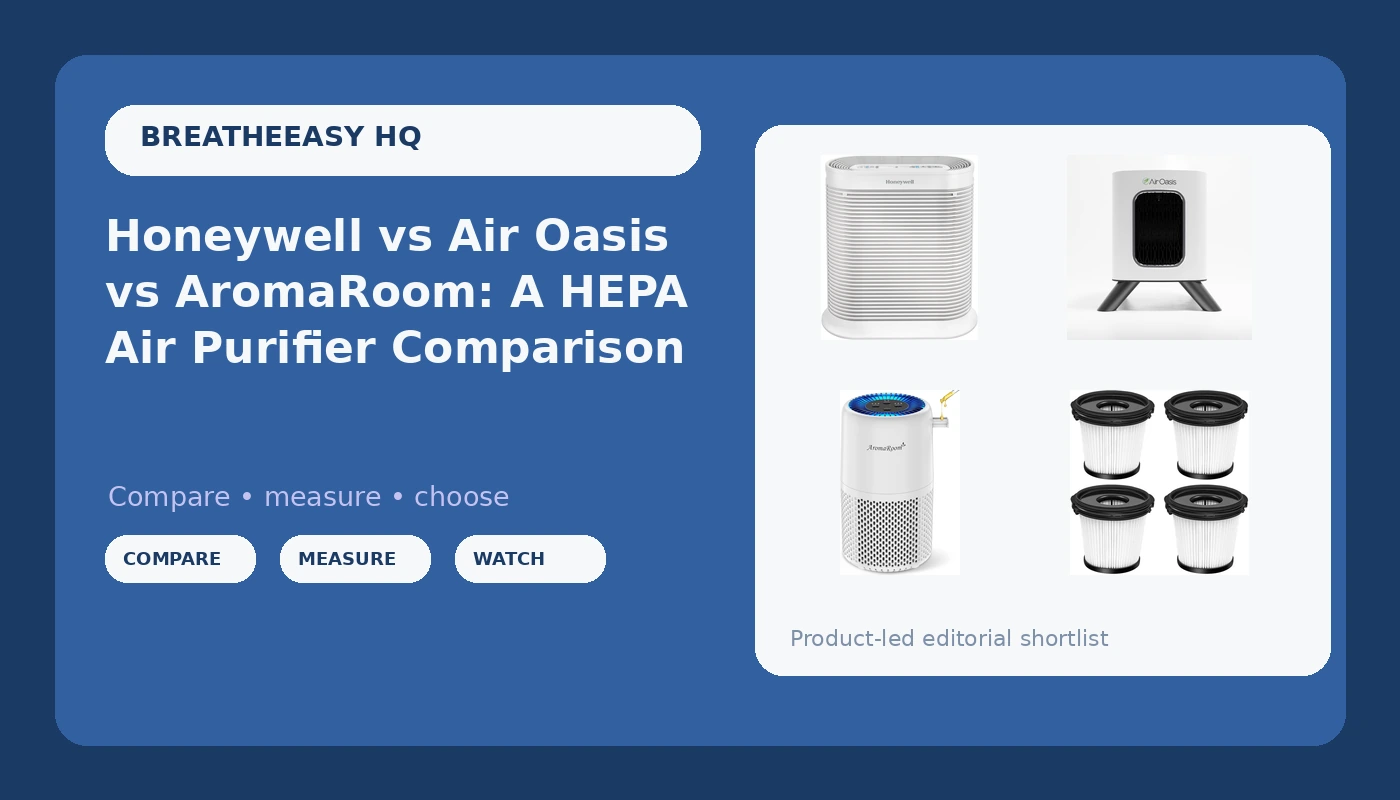
Fourteen years in HVAC, eight of them doing indoor air quality work in houses with asthmatic kids, wildfire smoke pulling through the return duct, and mold hiding behind the baseboard, and I still get the same question every spring: which one do I actually buy? This HEPA air purifier comparison answers it with four Amazon listings that look interchangeable on a search results page and are not interchangeable at all. Two are whole-room machines, one is a nightstand unit, and one is not a purifier at all. It is the filter that keeps somebody else's purifier running, and it belongs in this conversation because that is where the real money goes.
The short answer: size the machine to the room first, then look at what the filter costs over a year. Most bedrooms and nurseries under 300 square feet are fine with the AromaRoom True HEPA, and most open living areas want the Honeywell AllergenPlus HPA304. The Air Oasis iAdaptAir 2.0 is the premium sealed-box option for buyers who want H13 filtration and app control, and the Shark-compatible four-pack is the reminder that a purifier is a subscription with a fan bolted to it.
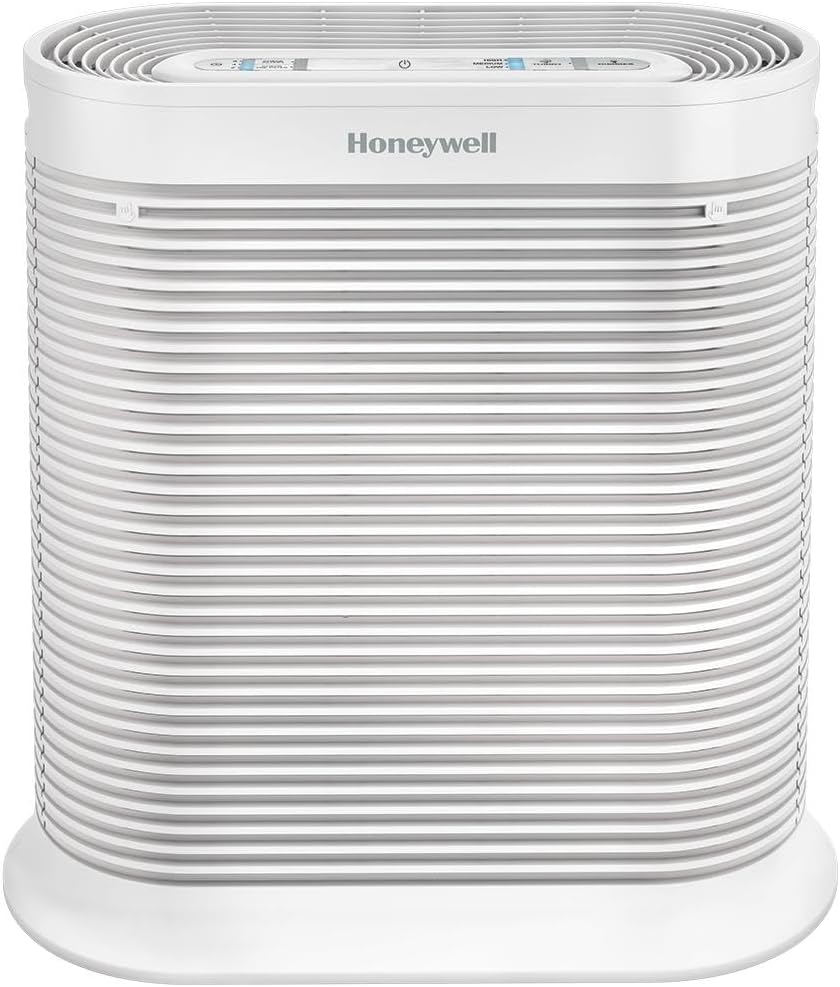
Honeywell AllergenPlus HEPA Air Purifier for Home, 2250 Ft² Rooms in 1 hour, Reduces Allergens, Dust, Pollen, Smoke, Pet Dander, Odors, White, HPA304
Biggest claimed coverage of the four, a brand with filters you can find anywhere, and a plain physical control panel that works when the wifi is down
No CADR printed on the listing, and the 2,250 square foot claim assumes one air change per hour at a fan speed you will not want on all evening
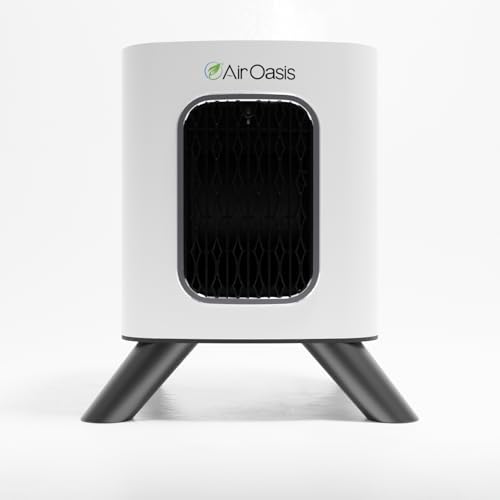
Air Oasis iAdaptAir 2.0 H13 HEPA Filter Air Purifier Reduces 99% of Viruses, Mold, Dust, Smoke, Pollen & Odors Quietest on The Market WiFi Compatible 1,325 Sq Ft of Clean Air
H13 media is a genuine step up from standard HEPA, and the WiFi radio means scheduling without touching the unit
"Quietest on the market" with no decibel rating at each speed, plus a premium price and premium filter costs
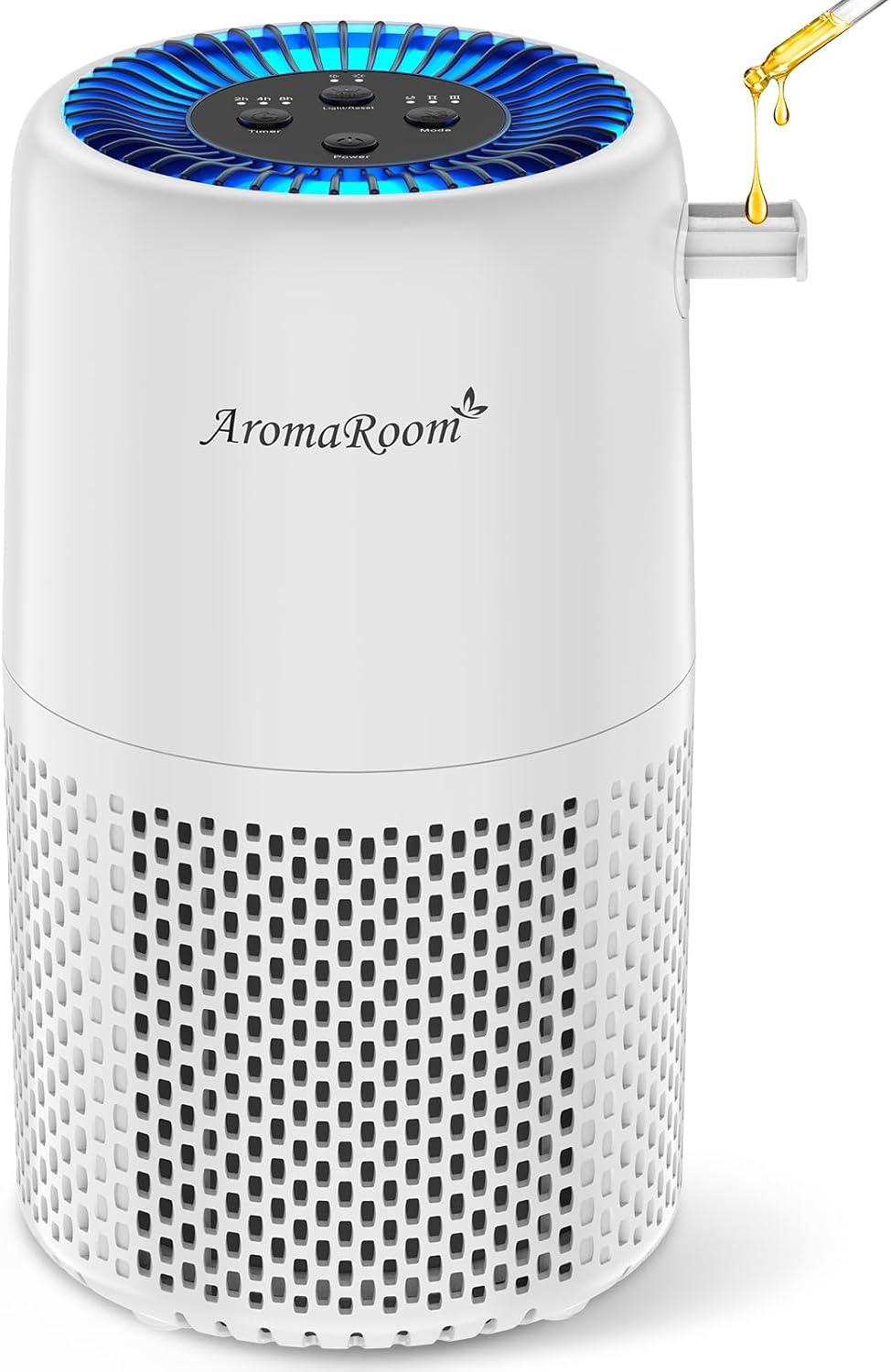
AromaRoom True HEPA Air Purifier for Bedroom, Baby Room
The lowest entry cost here by a wide margin, and the listing is honest about the room it belongs in
Small-room machine only, and there is no CADR figure to compare against anything
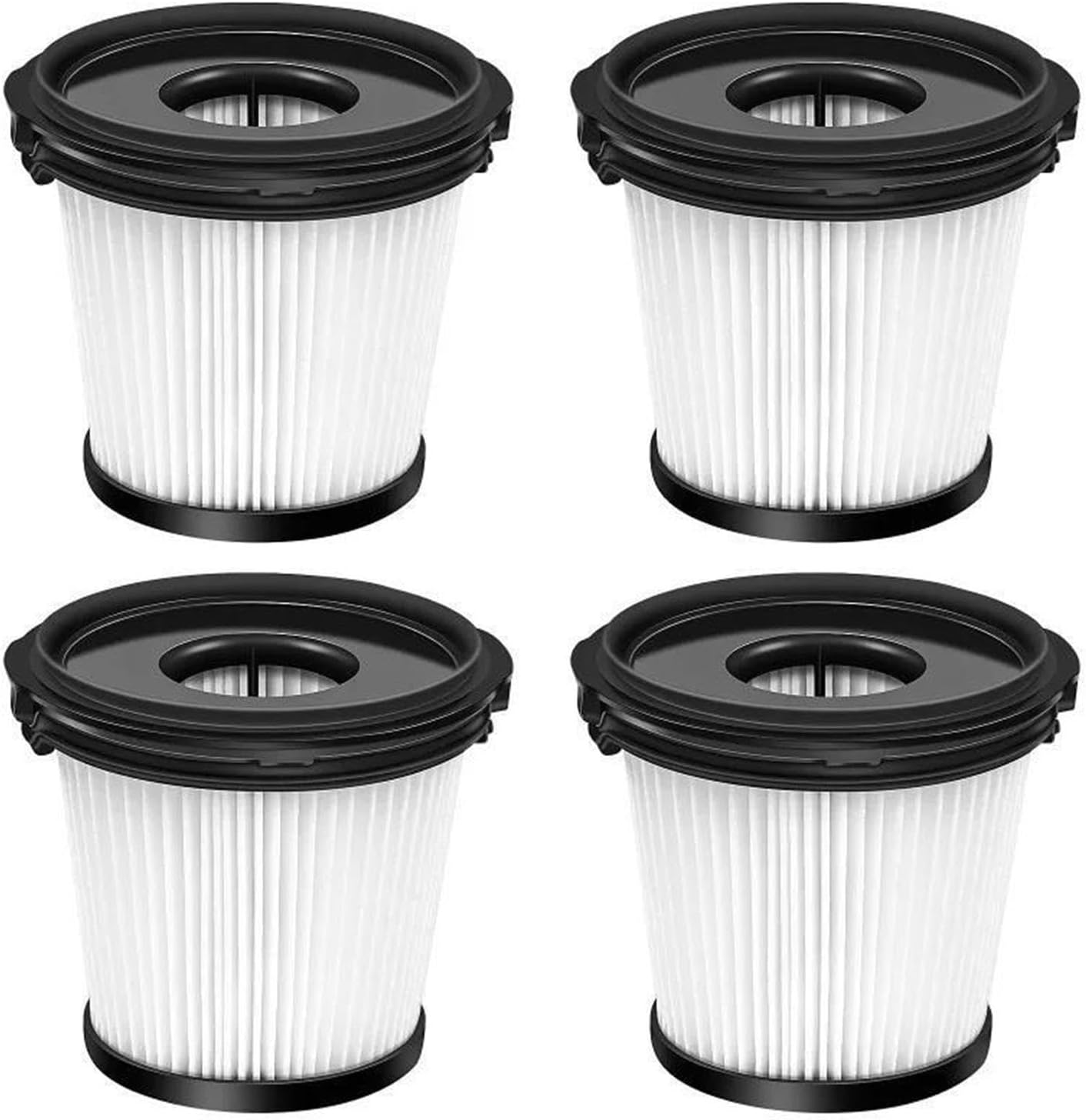
HEPA Filter,4Pack,Compatible For Shark IW3511/IW3611/BU3521
Four replacement filters for Shark models IW3511, IW3611, and BU3521, which spreads your yearly filter cost across the calendar
Not a purifier, and compatibility filters live or die on seal quality, which is the one thing a listing cannot show you
Prices and availability were captured from Amazon Creators API and may change.
What a comparison table cannot tell you
A table tells you what a listing claims. It cannot tell you whether air in your house travels through the filter or around it. That is the whole ballgame, and it is why I care so much about the boring parts: gasket thickness, how the filter cage seats, whether the housing flexes when you press on it.
Bypass is the number one failure I find on inexpensive units. You can have a genuinely good HEPA filter inside a housing that leaks at the corner, and the machine will happily recirculate dirty air past the media while the light on the front stays green. When a unit arrives, before you trust it with a kid's bedroom, take the filter out, look at the gasket, put it back, and feel whether the cover seats evenly. If it rocks, return it.
The second thing a table cannot tell you is that HEPA is HEPA. A filter is a filter. The brand name stamped on the plastic frame matters far less than how well that frame seals against the housing. That is true for the machines below and it is doubly true for the replacement filters.
Sizing: the manufacturer square footage claim versus your actual room
Honeywell's listing claims 2,250 square feet in one hour. Air Oasis claims 1,325 square feet of clean air. Those numbers are not lies, but they are measurements taken at maximum fan speed under conditions that assume one air change per hour in an empty room with standard ceiling height.
Nobody runs a purifier at maximum in the room where they sleep. Maximum is where the airflow is and also where the noise is. So the honest way to read a coverage claim is to cut it roughly in half for the speed you will actually use, then cut it again for an open floor plan, vaulted ceilings, or a door that stays open to a hallway. That 2,250 square foot claim becomes a comfortable living room and kitchen. That 1,325 square foot claim becomes a large primary bedroom plus a bathroom. The small unit in this comparison stays a small unit.
If you want a single number to shop by, ask for CADR, the Clean Air Delivery Rate. It is cubic feet per minute of clean air, measured for smoke, dust, and pollen separately. It is the one figure that predicts real performance, and it is the figure most listings in this price tier leave out entirely.
Honeywell AllergenPlus HPA304: the big-room workhorse
Honeywell has been building air movers for decades, and it shows in the parts you do not see. This is the unit in the group I would expect to find on a shelf at a hardware store, with a filter you can buy on a Sunday afternoon without ordering anything.
The claimed coverage is the largest here, and the listing covers the standard list of what people actually care about: allergens, dust, pollen, smoke, pet dander, and odors. There is no app, no wifi radio, and no account to create. For a lot of households that is a feature rather than a limitation, because a purifier that needs a phone to turn on is a purifier that stops working the day the manufacturer drops the app.
What the listing does not give you is a CADR number, and that is my standing complaint about this whole category. "Reduces allergens" is not a spec. If you are buying for a 900 square foot open living area, this is the machine I would put on a particle counter first, and I would want the medium-speed CADR before I committed.
Air Oasis iAdaptAir 2.0: H13 filtration and a wifi radio
H13 is the interesting part of this listing. H13 media is rated to capture a finer particle fraction than the H11 and H12 media found in most residential purifiers, and for a household dealing with severe allergies or a compromised immune system, that step up is real. The listing also claims reduction of viruses, mold, dust, smoke, pollen, and odors, and claims 1,325 square feet of clean air.
The claim I will not repeat without evidence is "quietest on the market." Quiet at what speed, measured at what distance, with what meter? My own rule is simple: no quiet claim without a decibel reading at each speed. Physics does not negotiate, and a machine that is genuinely silent on low is usually not moving meaningful air on low either. A purifier that is quiet on high is either enormous or it is not moving the air it claims to move.
The wifi compatibility is a real convenience if you want schedules and remote control, and a real annoyance if you are the kind of person who wants a knob. The trade-off here is price and filter cost: H13 media in a sealed premium housing costs more to replace, and you will be replacing it annually if the machine runs the way it should.
AromaRoom True HEPA: the small-room pick people misuse
This is the cheapest machine in the comparison, and the listing is refreshingly honest about its target: bedroom, baby room. That is a small, closed, predictable volume of air, and that is exactly the kind of room where a compact purifier earns its place.
Where it fails is where every unit in this class fails. There is no CADR figure on the listing, so there is nothing to compare against a bigger machine except price. Buyers see the low number, put it in a living room, and then write reviews saying it did nothing. It did something. It just did it to 250 square feet while the room was 700.
For a nursery, my priorities are the same as anywhere else: does the filter seal, is the fan moving air at the speed you will leave it on overnight, and what does the replacement filter cost. If those three answers are acceptable, a compact unit in a small closed room is a completely rational purchase, and it is the one I would recommend to someone who wants to test the whole idea before spending real money.
The Shark-compatible four-pack: the cost of ownership
This is not a purifier. It is four replacement HEPA filters compatible with Shark models IW3511, IW3611, and BU3521, and I put it in this comparison on purpose because this is the line item that decides whether a purifier was a good purchase or an expensive mistake.
Compatibility filters are a legitimate way to control cost, and a four-pack spreads the yearly spend out so you are not hit with a single ugly charge every twelve months. The catch is the seal. A third-party filter that is a millimeter thin at the gasket will bypass, and bypassing air is air you paid to clean and did not clean. Before you commit to a compatible filter, pull your old one out and compare the foam or rubber edge with the new one. If it is visibly thinner, send it back.
Filter cost is the real price of the machine
Here is the budgeting rule I give every client. Write the purchase price on one line, write the annual filter cost on the next line, and add them. If the filter costs more than the machine inside a year, the machine is not a bargain at any sale price.
A cheap unit with proprietary filters can cost more over three years than a mid-range unit with widely available filters. A premium unit with H13 media costs more per replacement, and that is fine if you knew it going in and the machine is doing work that matters to you. What is not fine is discovering in month ten that a filter costs half of what you paid for the purifier.
The prefilter is your friend here. A washable first stage catches pet hair and coarse dust before it reaches the HEPA media, and it can stretch the life of the expensive filter by months. If a machine does not have one, budget for more frequent replacements.
The quiet question, and how to settle it
Every listing in this category claims to be quiet. Almost none of them publish decibel readings at each of the three speeds, which is the only version of the claim that means anything.
My rule stands: if it is quiet on high, it is not moving enough air, and physics does not negotiate. The practical version for a bedroom is to run the unit on medium, stand where your head hits the pillow, and decide whether you can sleep. If you cannot, drop a speed and accept less clean air, or buy a bigger machine and run it lower. That is the trade, and no marketing copy removes it.
What I would do with these four
For an open living area or a whole-floor setup, the Honeywell AllergenPlus HPA304 is the first unit I would test, mostly because of the coverage claim and the fact that filters are easy to source. For a primary bedroom where someone has real allergies and wants H13 media plus app scheduling, the Air Oasis iAdaptAir 2.0 is the premium pick, with the caveat that "quietest on the market" is a claim and not a measurement.
For a nursery or a small bedroom, the AromaRoom True HEPA is the sensible entry point, and it will stay sensible as long as you keep it in a small room. And if you already own one of the Shark models listed above, the four-pack is the maintenance decision that determines your true cost of ownership.
Whatever you pick, do the two things nobody does. Check the seal when it arrives, and price the replacement filter before you check out. Those two habits separate a purifier that works from a fan with a filter in it.