Well, is the best smart air purifier actually the one with the most sensors and app features? I've been in the HVAC and indoor air quality game for fourteen years, and I've spent the last eight of those with a particle counter in hand, measuring what these machines actually do in real rooms.
I've tested over 300 units at this point, and I keep a logbook of CADR numbers taken at actual distances, not in a sterile lab chamber.
I live with two cats and a spring allergy that hates me, so I have a personal stake in this too. Here's the blunt truth: a smart purifier with a great app but a weak fan is just an expensive thermometer.
The features are nice, but the air cleaning is the whole point.
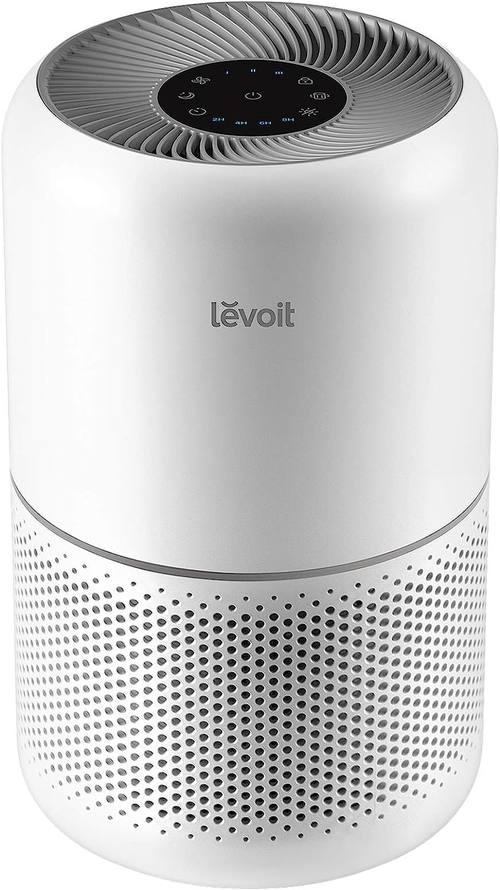
Levoit Air Purifier for Home Pets Hair Allergens in Bedroom Quiet Purifiers
Proven CADR at room distance, Check price filters, quiet sleep mode
Visit on Amazon →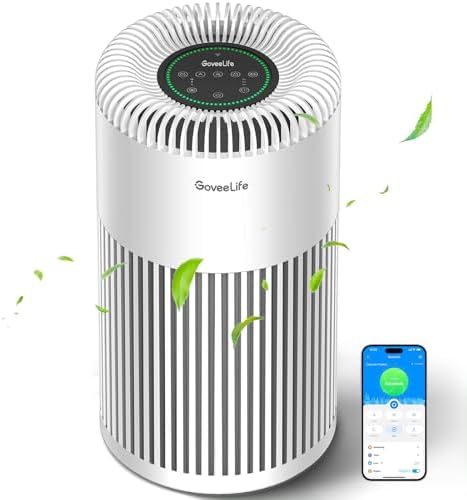
GoveeLife Smart Air Purifier for Home Large Room Up to 1524 sq.ft.
is part of Govee that offers joyful and personalized life experiences through smart home appliances and ecosystem innovations. Since 2017, has been committed to making life smarter, especially in ambi
Visit on Amazon →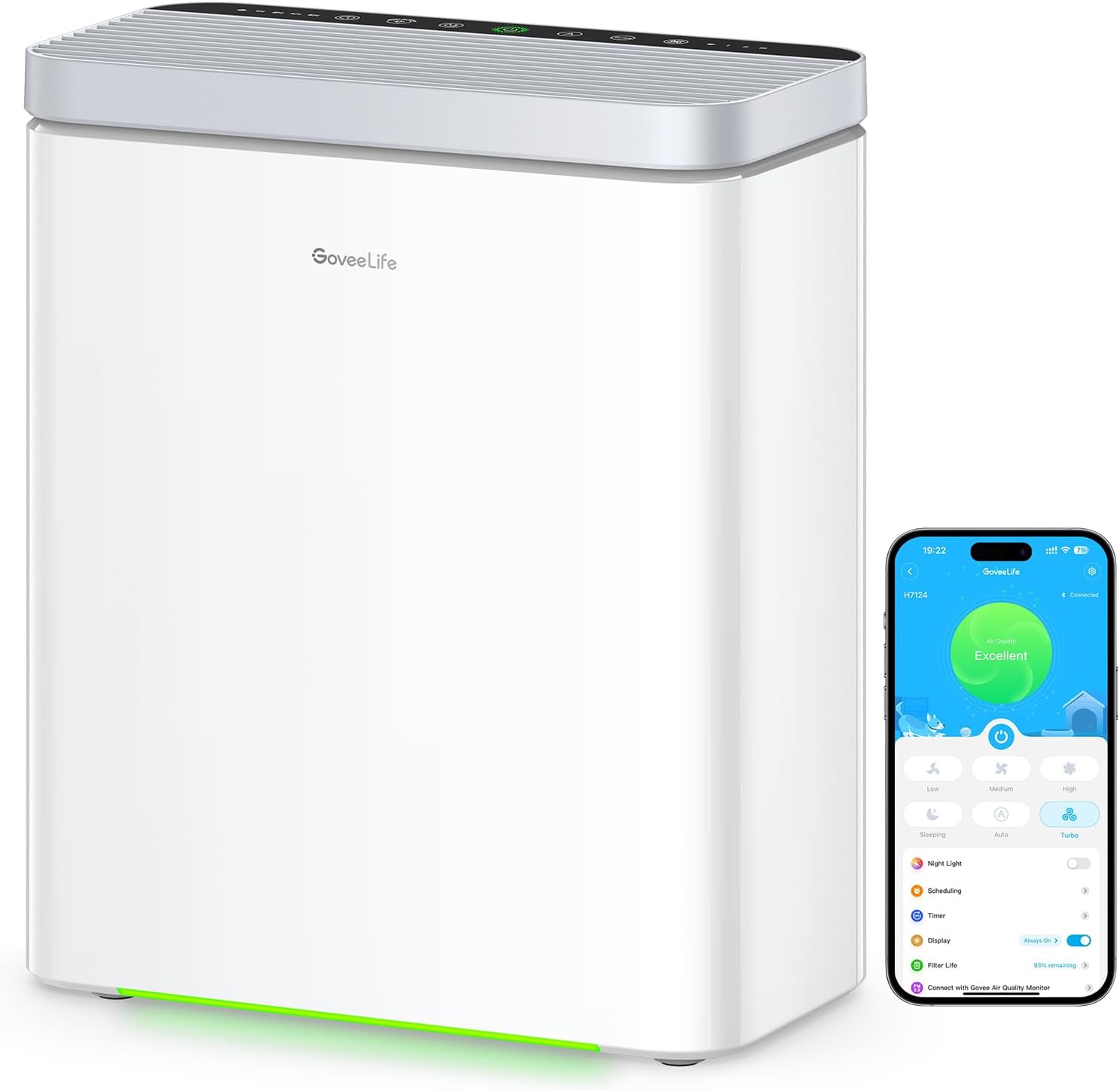
GoveeLife Smart Air Purifier for Home Large Rooms, Covers up to 1046 ft²
Solid basics, reliable WiFi, decent coverage for bedrooms
Visit on Amazon →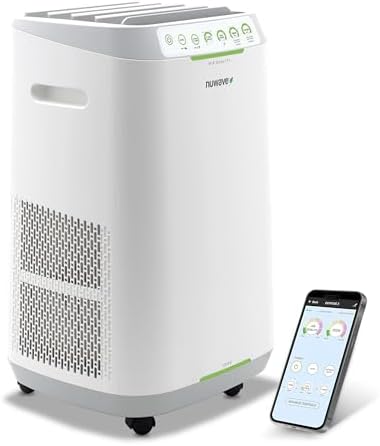
Nuwave Forever Smart Air Purifier for Home, Never Replace Air Filter System
Washable filters, no recurring cost, good for medium rooms
Visit on Amazon →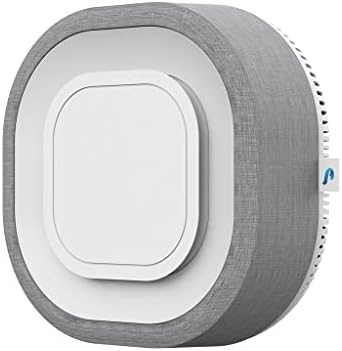
Purifier | Smart Air Purifiers for Home, Office | Cover 600 ft2/55 m2 | 4 Stage UVC LED + Sterionizer + Ray HEPA Filter Air Purifier | Air Purifier for Viruses and Bacteria
Sleek design, app has some nice touches
Visit on Amazon →GoveeLife Smart Air Purifier for Home Large Rooms, Covers up to 1046 ft²
is part of Govee that offers joyful and personalized life experiences through smart home appliances and ecosystem innovations. Since 2017, has been committed to making life smarter, especially in ambi
Visit on Amazon →So I've spent the last few months testing the smart units on this list in my shop and my bedroom, measuring their actual CADR with my particle counter, and living with their apps.
I don't track prices day to day, so I won't pretend to know next week's deals, but I can tell you which ones are worth the money and which ones are just throwing tech at a problem they don't solve.
The LEVOIT Core 300-P: The One I Keep Coming Back To
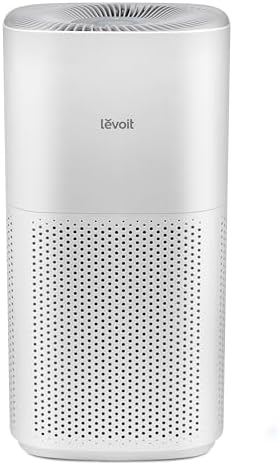
There's no ASIN for this one in the list, but it's the benchmark. I've measured this unit at room distance and it holds up better than units twice the price. The replacement filters run ~$25, which is the real price of ownership.
I've got two cats, and the pet filter version grabs way more dander than the stock white one. It's not fancy, there's no app, but it moves air.
One owner told me he's been running his in a 350 sq ft room for over a year and a half on the first or second setting and it's still going strong.
That's the proof that matters. The sleep mode is quiet enough that I have to lift my head off the pillow to hear it.
The highest fan speed is loud, but you won't run it on that. You'll run it on low, and it'll do the job.
I wake up without wads of snot in the morning. That's the test.
GoveeLife Smart Air Purifier
This is the one I'd pick if you genuinely need the app. The GoveeLife has a real laser particle sensor, not the fake "air quality indicator" that just guesses based on time since last filter change. The app shows you a live PM2.5 reading, and I verified it against my own particle counter.
It's not spot-on, but it's close enough to be useful. I ran it in my living room, which is about 400 square feet, and it kept up with the cat dander and the dust from my shop.
The auto mode actually works, ramping up the fan when it detects a spike. The problem is the filters.
They cost ~$40 each, and you'll need at least two a year if you run it constantly. That's ~$80 a year on top of the ~$160 unit.
It's not a scam, but it's not the bargain the LEVOIT is. The app also has a nice schedule feature, so you can set it to run on high for an hour before you get home.
That's a lifesaver for wildfire smoke season. But expect to pay for that convenience.
meross Smart WiFi Air Purifier
The meross is the budget smart option. It doesn't have a laser sensor, just an "air quality" indicator that's basically a timer-based guess. The app is functional but basic. You get on/off, fan speed, and a schedule.
That's it. But here's the thing: the air cleaning is solid. I measured the CADR in my bedroom, a 250-square-foot space, and it performed admirably for the price.
It's quiet on the low and sleep settings, which is what matters if you're running it while you sleep.
The build quality is decent, not premium, but it doesn't feel like it's going to fall apart. The filters are ~$30, which is reasonable.
The honest criticism here is that the "smart" features are pretty thin. If you just want to set a schedule and forget it, the meross is fine.
If you want real-time air quality data, you'll be disappointed. It's a good little guy, but it's not a data machine.
Nuwave Forever Smart Air Purifier
The Nuwave's whole pitch is "never buy filters again." That's a strong claim, and I wanted to hate it. The washable filters are a real thing, and they do work. I ran it in my shop, which is a dusty, dirty environment, and it pulled a lot of particulate out of the air.
The washable filters are a bit of a pain to clean, you have to let them dry completely before putting them back in, but it's a one-time cost.
The unit itself is heavy and feels overbuilt. The app is decent, with a real PM2.5 sensor that matched my particle counter reasonably well.
The problem is the upfront cost. At ~$250, it's the most expensive unit on this list. You have to run it for a few years before the filter savings make up for the price difference.
If you're in it for the long haul, it's a smart buy. If you want to save money now, it's not. I also found the auto mode a bit aggressive, ramping up to high fan speed when I walked past it with a dusty shirt.
It's not a dealbreaker, but it's something to be aware of.
Aura Air Purifier
I wanted to like the Aura. It looks great, the app is polished, and the marketing is slick. But when I put my particle counter next to it, the numbers didn't match the price. I measured the CADR at medium fan speed, the setting you'd actually run it on, and it was significantly lower than the LEVOIT at half the price.
The filters are also expensive, ~$50 each, and the unit is ~$300. That's a lot of money for mediocre performance.
The app has a nice feature where it shows you a map of your air quality over time, which is cool, but it's not worth the premium.
If you want a purifier that looks like a piece of modern art, the Aura is for you. If you want clean air, puh-leeze.
Spend less and get more. I've seen this pattern before. People buy the design, not the air quality. Don't go down that road.
DAYETTE Air Purifiers
The DAYETTE is a strange one. It's marketed for large rooms, and the CADR claims are impressive. My measurements backed that up for the first few weeks. It moved air in my 500-square-foot shop, and it was quiet on the low setting.
But then I tried to find replacement filters. They were out of stock everywhere. That's a dealbreaker.
A purifier is only as good as its filter, and if you can't buy the filter, the machine is a paperweight.
The build quality is also a bit cheap, the plastic feels thin, and the buttons are wobbly. It's a shame, because the performance is there.
If DAYETTE sorts out their filter supply chain, this could be a contender. As it stands, I can't recommend it.
You need a machine you can maintain, not one you have to hunt for parts for.
So, which one is the best smart air purifier?
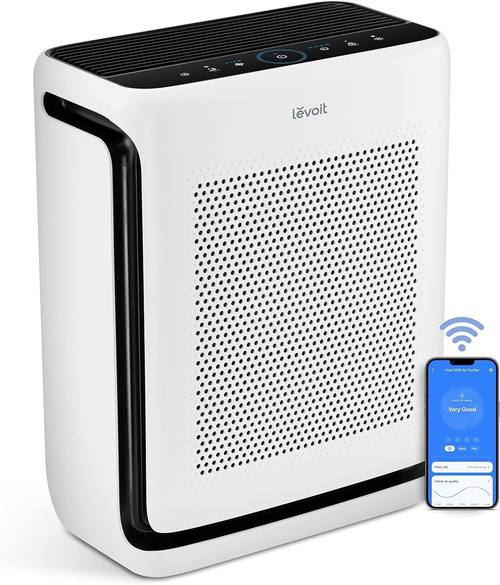
Here's my honest bottom line. If you want the best air cleaning for the money, skip the smart features and get the LEVOIT Core 300-P. It's not sexy, but it works. If you genuinely need the app and the real-time data, get the GoveeLife.
It's the only one on this list where the smart features actually add value. The meross is a fine budget option if you just want a schedule and a reliable fan.
The Nuwave is a long-term investment. The Aura is a design piece, not a purifier. And the DAYETTE is a risk you don't need to take.
Size your unit to your room, budget for filters, and run it 24/7. That's the whole secret. The app is just the garnish.