I have spent 14 years in HVAC work and eight of those measuring indoor air in Portland homes with a real particle counter, not the sensor built into the front of a machine. In that time I have installed and logged more than 300 purifiers. So when a family asks me to pick an air purifier and humidifier combo, I ask two questions before I open a single product page: how many square feet, and who is sleeping in that room. This comparison runs four units through that filter, two straight HEPA purifiers and two combos.
Here is the part nobody prints on the box. A purifier and a humidifier are doing opposite things to the same air stream. The purifier wants to pull particles out of the air and trap them in dry media. The humidifier wants to add water vapor, and if you fill it from the tap, it adds dissolved minerals along with that vapor. Put both in one housing and you get convenience, but you also get a machine where the two halves can undermine each other. That does not make combos a bad idea. It makes them a bad idea in some rooms and a very good one in others.
Related: How to Size an Air Purifier for the Room You Actually Have
For most bedrooms, the best air purifier and humidifier combo in this group is the InvisiClean AquaNova, because it is the only combo here sized for a real room instead of a closet. For a large, dry living space where you only want filtration, the 2400 square foot HEPA unit is the simpler and more honest machine. Everything else depends on the room you are putting it in.
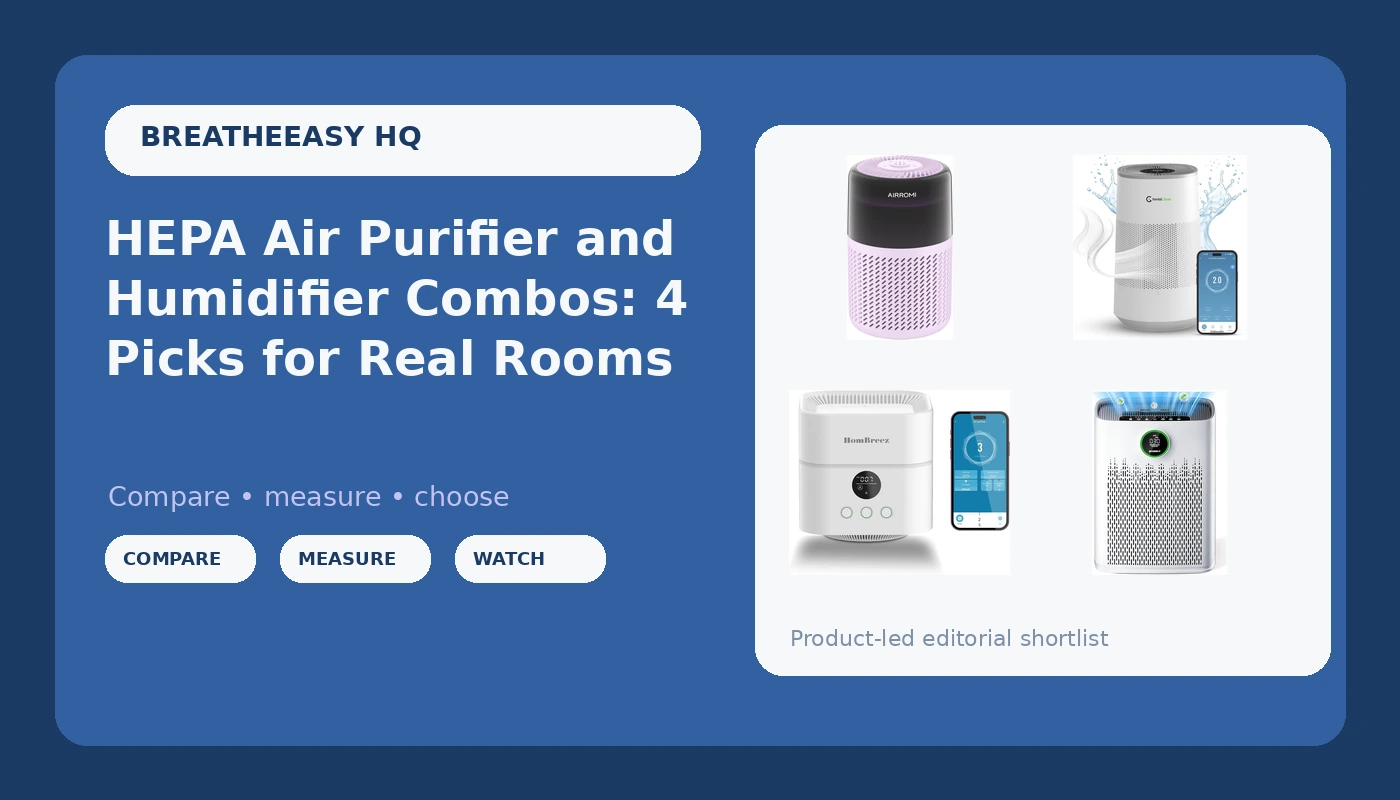
Air Purifiers for Home Large Room, Up to 2400 Ft² with True HEPA Filter
The most filtration per dollar in this group, no water tank to feed or clean, one filter to track
Fan noise on high, and the huge coverage claim assumes a very low air change rate
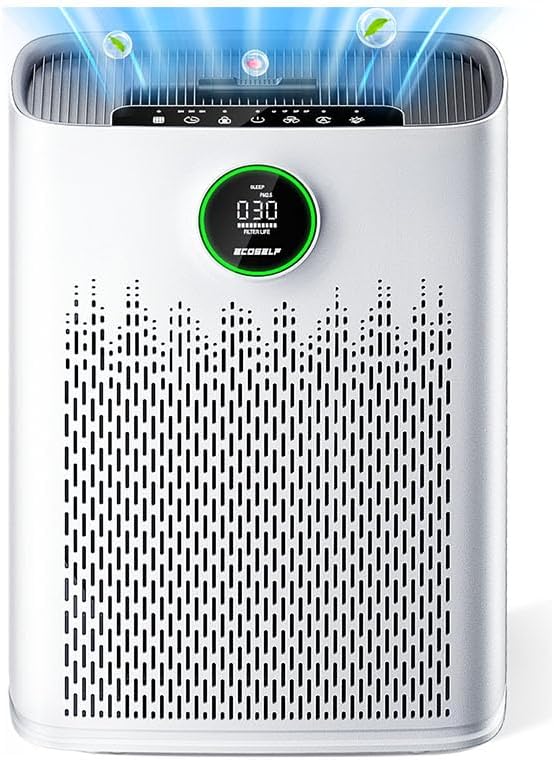
AIRROMI HEPA Air Purifier for Bedroom&Home,Pet Air Purifier for Home Pets,Removes Pet Odor,Cat Litter Smell,Dust,Smoke&Allergies,Quiet Room Air Purifier with Scents,360°Air Cleaner,A2005 Purple
Built around pet hair and litter odor, 360 degree intake, prefilter does the heavy lifting
Scent cartridge works against allergy buyers, and a small machine is still a small machine
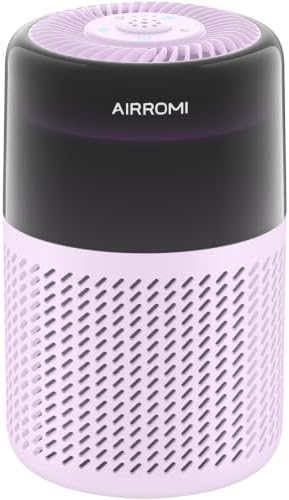
Air Purifier and Humidifier Combo All in One for Bedroom - Quiet 2 in 1 Smart Air Humidifier and Purifier for Home - Use Year-round for up to 1100 sq ft - InvisiClean AquaNova
The only combo here with room-scale coverage, genuinely useful in a dry climate
Two systems to maintain, and tap water will shorten the life of the filter media
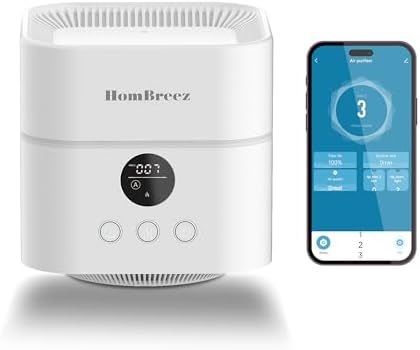
Air Purifier and Humidifier Combo for Bedroom, Covers Up to 200ft², H13 True HEPA Filter, 400ML Water Tank, Quiet Cool Mist Top Fill Essential Oil Diffuser for Baby, Pet Room, APP Control
Honest about being a small-room machine, H13 media, top fill tank is easy to live with
A 400ML tank is a short night, and the diffuser feature fights the filter
Prices and availability were captured from Amazon Creators API and may change.
The coverage number is the first thing I ignore
Coverage in square feet is the least regulated spec in this entire category. There is no standard forcing a brand to tell you what air change rate that number assumes. Run the arithmetic backwards on most of them and the claim assumes roughly one air change per hour at the lowest fan speed. One air change per hour keeps dust from settling on your shelves. It does almost nothing during a wildfire smoke event, when you want four to six air changes per hour in the room where you sleep.
The number that predicts real performance is CADR, the Clean Air Delivery Rate. It is cubic feet per minute of clean air, measured per pollutant, and it is the only figure that tells you how the machine behaves when you actually run it. If a listing shouts removal percentages and never states CADR, the marketing department wrote it and the engineers stayed home.
Second number: the speed at which that CADR was measured. Almost every manufacturer quotes the high setting. Most people run a bedroom purifier on low or medium, because high is the setting that keeps them awake. A unit with a great high-speed number and a weak medium-speed number is a unit you will never use at its rated capacity.
Straight HEPA for big rooms
The Air Purifiers for Home Large Room, Up to 2400 Ft² with True HEPA Filter is the unit in this group I would hand to someone with a big open living area and no humidity problem. It has one job. There is no water tank to fill, no reservoir to grow biofilm, no mineral dust being aerosolized into the same airstream that feeds the filter. One filter to replace, one surface to vacuum.
The trade is airflow and sound. A machine claiming coverage of 2,400 square feet has to move a serious volume of air to back that claim, and moving air makes noise. When a listing in this class calls itself quiet, understand that quiet is a low-speed claim. Physics does not negotiate on this point. If it is silent on high, it is not cleaning on high.
Where this unit loses me is the same place all large-room claims lose me: the room it describes does not exist in most houses. A 2,400 square foot number is a whole floor with the doors open. Close the bedroom door and you are back to treating it as a bedroom purifier, which is fine, but then you bought a lot of machine for the job.
The pet room pick
The AIRROMI A2005 in purple is aimed squarely at households with cats and dogs, and the design choices make sense for that. The 360 degree intake pulls from every direction, which is efficient in a room where hair is airborne, and the prefilter is the part that matters most. A washable or at least vacuumable prefilter catches pet hair before it mats the HEPA media, and that is the difference between replacing a filter on schedule and replacing it early because it clogged.
Two cautions from someone who has watched a lot of allergy families buy the wrong thing. First, the scent feature. Adding fragrance to the air a person with allergies is breathing is backwards. Fragrance is both particulate and volatile organic compound, so you are loading the filter with the exact material you bought it to remove. Run it without the scent cartridge if anyone in the house has a diagnosis. Second, a 360 degree intake means the whole cylinder is a dust collector on the outside. Plan on wiping it down weekly, or the intake grille becomes the filter.
For a bedroom with a litter box down the hall and a cat on the bed, this is the right shape of machine at the right size. It is not a living room purifier, and the listing does not pretend it is.
The two combos, and where they differ
The InvisiClean AquaNova is the combo I would actually buy. It is rated for use year-round up to 1,100 square feet, which is a real room, and the 2 in 1 format means one footprint instead of two machines fighting for the same outlet. In a Portland winter, when the heat runs and the indoor humidity drops into the twenties, adding moisture back is not a luxury. Dry air irritates the same airways that smoke and pollen already irritate, and a purifier alone does nothing about it.
Two maintenance notes that decide whether you like this machine in month six. Use distilled water. Tap water in most of the country carries calcium and magnesium, and a cool mist humidifier aerosolizes both. That white dust settles on everything, including the prefilter and the HEPA media downstream. Second, ask where the moisture goes. A well designed combo keeps the humidifier path separate from the filter path, but a poorly designed one pushes damp air across the media and gives mold a place to start. That is the single question I would put to any combo before buying, and it is the reason I do not recommend a combo to anyone who will not keep up with the water.
The second combo, the one rated for 200 square feet with the H13 True HEPA filter, the 400ML tank, top fill, cool mist, diffuser, and app control, is the honest small-room version of the same idea. I like that it says 200 square feet out loud instead of claiming a whole apartment. H13 media is H13 media, and the brand on the filter housing matters far less than whether the gasket seals. Top fill is the feature people underestimate until they have wrestled a bottom-fill tank upside down over a carpet.
What bothers me is the tank size. Four hundred milliliters is a short night. In a dry room you will refill that reservoir more than once if you run it for eight hours, and a humidifier that runs dry at 3 a.m. is a humidifier you stop using. The diffuser function has the same problem as the scent cartridge above: essential oils are a contaminant load for the filter, and putting them into the same air path as H13 media is a contradiction. App control is fine as a bonus. It is not fine as the only way to switch the machine on, because that makes your Wi-Fi a single point of failure for your air.
For a nursery or a small pet room where 200 square feet is accurate, this is a reasonable buy. Just plan the refills.
Filter cost is the real price
Nobody budgets for filters, and that is the line item that decides whether a cheap purifier was cheap. Before you buy any of these four, find the replacement filter listing and write the number down. Multiply it by the number of replacements per year, then by three. A machine with a washable prefilter in front of the HEPA usually wins that math, because the prefilter is what keeps the expensive media from loading up early.
If you cannot find a replacement filter for sale, do not buy the purifier. It does not matter how good the coverage number looks. A purifier with no filter supply is a fan with a plastic housing and a story.
How I would check one on arrival
I do not trust a purifier until I have looked at the seal. Air sneaking around the filter instead of through it is the number one failure on budget units, and you can spot it without instruments. Pull the filter, look at the gasket or foam strip that meets the housing, and check for gaps at the corners. If the media rattles in the frame, it is not sealing.
Then run it on medium for an hour with the door closed and see how the room feels and sounds. Medium is where people actually live. High is a test number. And keep the machine at least a foot off the wall so the intake is not starved, which is a mistake I see in maybe half the homes I visit.
Who should buy which
- Large open living space, no dryness problem: the 2400 square foot HEPA unit.
- Bedroom with a cat or dog and litter odor: the AIRROMI A2005, scent cartridge out.
- Primary bedroom in a dry climate, one outlet available: the InvisiClean AquaNova.
- Nursery or small pet room, 200 square feet or less: the H13 combo with the 400ML tank, and buy distilled water by the gallon.
Bottom line
Match the machine to the room and the person breathing in it, not to the biggest number on the listing. Buy the combo only if you will keep up with the water. Buy the straight HEPA unit if you want one filter and no maintenance rituals. And whatever you choose, price the replacement filter before you price the machine, because that is the number you will still be paying in year three.