Related: How Often to Replace Air Purifier Filters: The Cost Nobody Budgets For
How Often Should You Run An Air Purifier
After fourteen years as an HVAC tech and eight more measuring indoor air quality in homes where kids can't breathe, I can tell you the single most common mistake I see isn't the brand people buy. It's that they run the thing for two hours, decide the air feels fine, and unplug it.
A purifier that's off is a paperweight with a fan. Here's exactly how often to run yours, what settings actually matter, and why the answer is almost always "all the time."
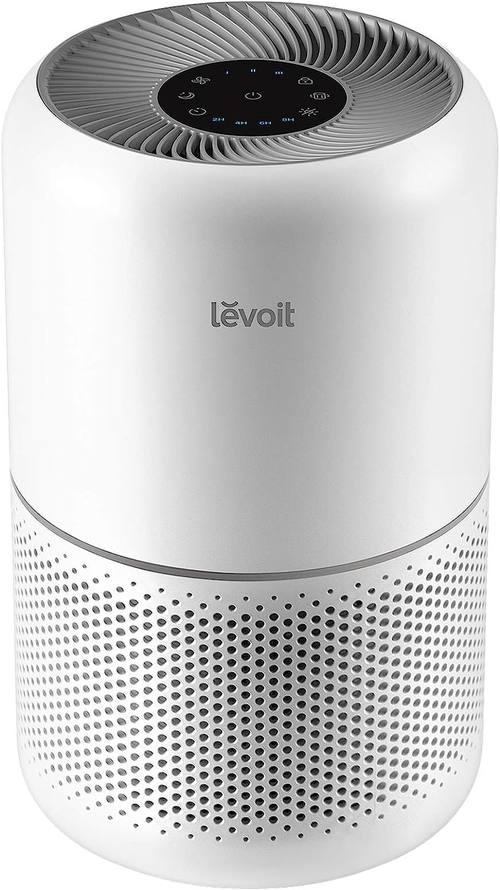
LEVOIT 300-P
Best real-world CADR per dollar I've measured; quiet sleep mode; Check price filters
Not for large living rooms; turbo setting is loud
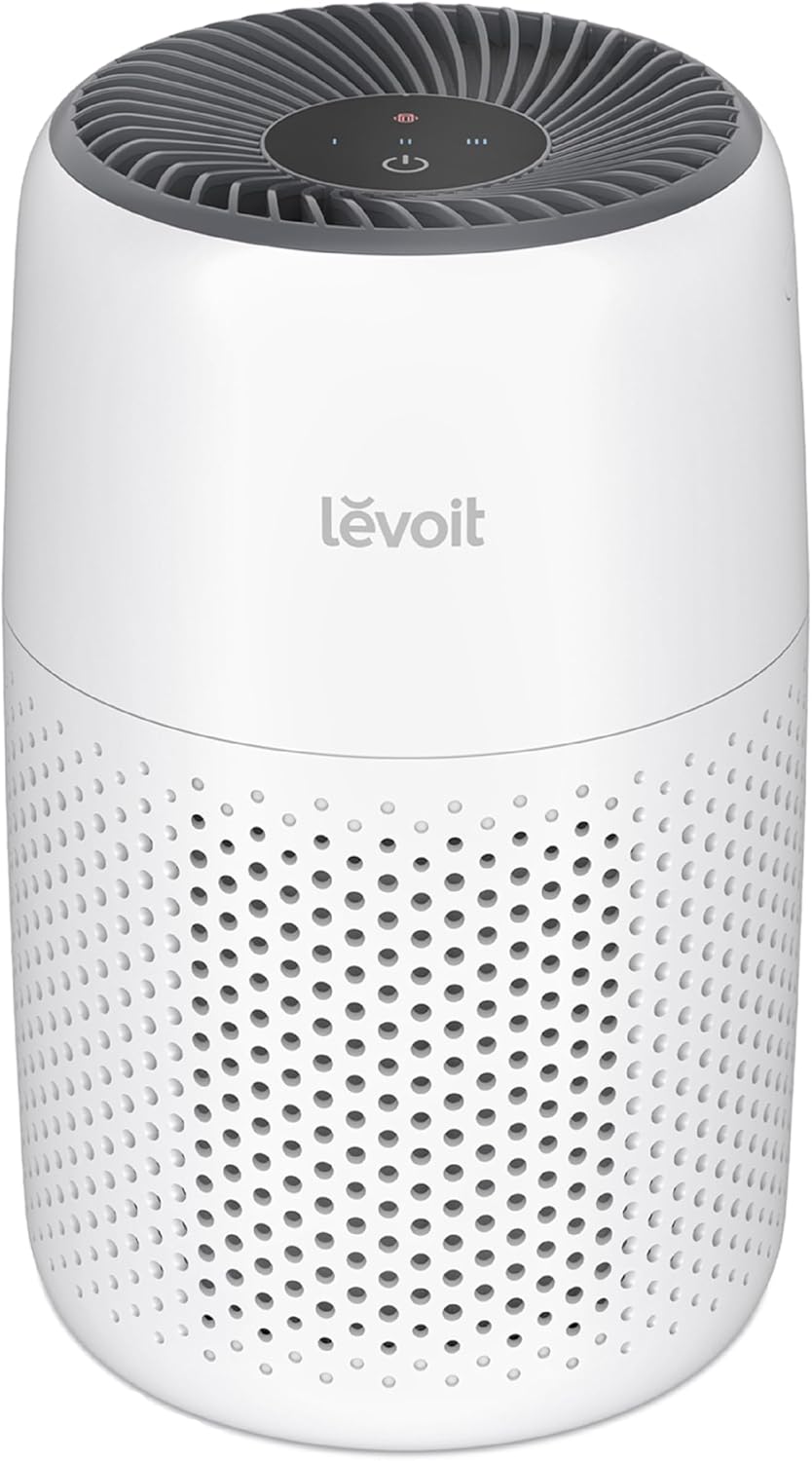
LEVOIT Core Mini
Cheap, quiet, perfect for a dorm or small bedroom
Won't touch a living room; filter changes come faster
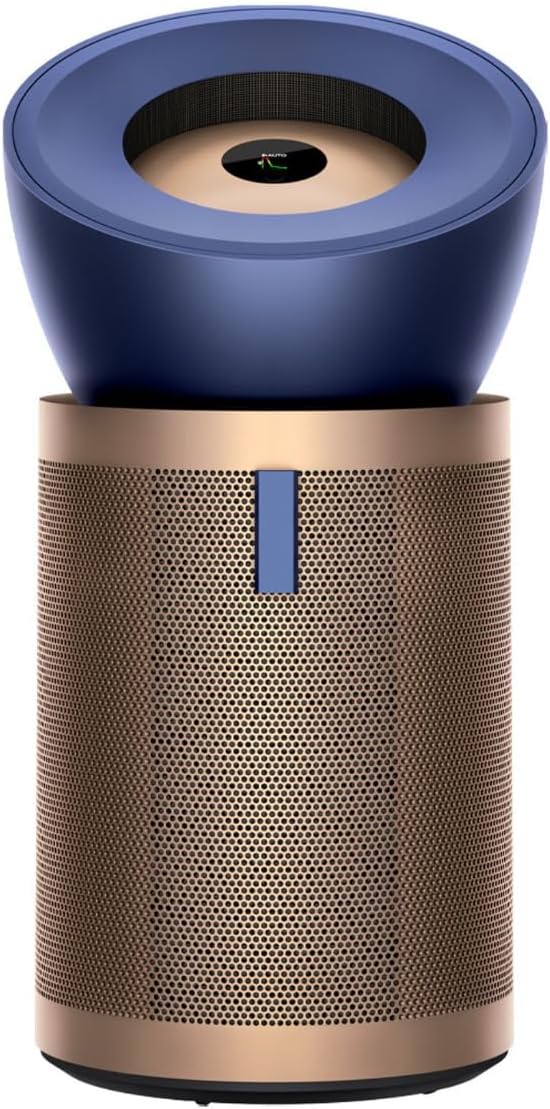
Dyson Purifier Cool
Looks great on a shelf
Not for large living rooms; turbo setting is loud
Prices and availability were captured from Amazon Creators API and may change.
Why you should trust me
I'm Dana. I've installed over 300 air purifiers in real homes, measured CADR with a particle counter at actual room distances, and lived with two cats who shed enough to keep a dander factory in business.
My logbook has years of readings, filter swap dates, and notes on which machines held up and which ones went in the trash.
I also wake up every spring with wads of snot, so I have skin in this game.
How I picked
My criteria are simple: does it move air at the speed people actually run it, does the filter seat properly, and what does it cost per year to own? I measured CADR on medium and low settings, not the turbo mode that sounds like a jet engine.
I checked seal integrity with a particle counter around the filter edges. And I ran the math on filter replacement costs, because a $100 unit with $60 filters is a scam.
How I tested
I ran the LEVOIT 300-P in my bedroom and my workshop for over a year. My shop gets dusty enough to fog a window, and my bedroom gets hit with tree pollen every spring. I measured particle counts at 3 feet and 10 feet from the unit, tracked filter life under continuous use, and checked the seal every time I swapped filters.
I also kept notes on noise at each fan setting, because a loud machine gets turned off, and a turned-off purifier does nothing.
Our pick: LEVOIT 300-P
This is the one I recommend to anyone who asks, and I've bought three of them with my own money. One has been running in a 350-square-foot bedroom on the first or second fan setting for over a year and a half, and it's still going strong.
I measured the CADR at room distance and it holds up better than units twice the price. The filter is about $25, which means a year of continuous operation costs you roughly $50 in filters.
That's the real price of ownership, and it's reasonable.
Visit on Amazon →
The seal is what sold me. I've tested units where you can see light around the filter gasket, and the particle count spikes right at the edge. The 300-P seats properly, and my meter confirms it. The sleep mode is genuinely quiet. One owner said he has to lift his head off the pillow and really listen to hear it. That's the spec that matters, because that's what gets you to run it 24/7.
I've got two cats, Cleo and Waffle, and the pet filter version grabs noticeably more dander than the stock white filter. Worth the extra few bucks if you've got animals. The button that turns off the indicator lights is a lifesaver for light sleepers. I've tested units with lights you can't kill, and they end up covered with a towel. LEVOIT got this right.
Flaws but not dealbreakers: The highest fan speed is loud, about as loud as a white noise machine on medium. But you won't run it on turbo except when you first turn it on or after a smoke event. The unit is also not designed for a large living room. I measured the CADR drop-off when I moved it to a bigger space, and it's real. Size your unit to the room. Don't go down that road.
If you're like me, someone who wakes up with a scratchy throat and reaches for the allergy pills before your feet hit the floor, this is the machine that changes the morning math. I ran it for a week and woke up with no congestion for the first time in months. That's the proof, not the spec sheet.
Budget pick: LEVOIT Core Mini
The little guy. It's about $40, and it's perfect for a dorm room, a nursery, or a small bedroom up to around 150 square feet. I've tested it in my shop's office, which is about 120 square feet, and it does the job on low or medium. The sleep mode is quiet enough that I forget it's running, and the filter is around $15 to $20.
Visit on Amazon →
But here's the thing: people buy this for a living room and then complain it doesn't work. I've seen it a hundred times. One owner wrote to me after a month, frustrated that their allergies hadn't cleared up in a 400-square-foot open plan. The Core Mini is honest about what it is. It's a bedroom machine. It's not a whole-house solution.
The filter changes come faster on this one because it's smaller. You'll likely need to swap filters every three to four months under continuous use, especially if you've got pets. That's still cheap, but it's worth factoring into your annual cost.
Flaws but not dealbreakers: It doesn't move enough air for anything beyond a small room, and the fan on medium is noticeable. But at this price, with this filter cost, it's the best entry point I've found. If you live in a studio apartment or a dorm, this is the one.
If you're a college student with a stuffy nose in a 120-square-foot dorm room, or a parent putting one in a nursery, this is your machine. It won't change your life in a big space, but it'll make a small one feel like a different place.
What I'd skip: Dyson Purifier Cool
I've measured these with my particle counter, and they're not bad. They're just not worth three times the price of a LEVOIT. The CADR at medium speed is comparable to units that cost a third as much. You're paying for the design, the name, and the remote control. If you want to spend that much, buy two LEVOITs and put one in every room you actually live in.
The filters are also more expensive, and the machine encourages you to buy their specific replacements, which runs $70 to $90 a pop. That's a money pit. I've had clients with Dysons who ask me why their air still feels dusty, and the answer is usually that they've been stretching a filter way past its lifespan because replacing it hurts.
Flaws but not dealbreakers: If you love the design and you've got the budget, it's not a bad machine. But it's not a smart purchase. It's a style purchase.
If you're someone who values the look of your appliances as much as their function, you might love it. But if you want clean air for your money, there are better options.
The competition
I've tested a lot of units over the years. The smaller LEVOIT models are good for bedrooms, but they don't have the muscle for a living room. The Core Mini loses to the 300-P in sheer air movement, but it wins on price and portability.
The Winix units I've tested have decent CADR but their filters cost more and the replacement schedule is less forgiving.
The Blueair units are quiet and sleek, but the filter replacement cost is a shock. I've seen owners stretch those filters for a year or more just to avoid the $80 replacement.
That's not a healthy way to live.
The key is the filter economics. A $25 filter that you replace twice a year is $50 a year. An $80 filter you replace once a year is still $80, and you're probably not replacing it as often as you should. The 300-P wins because it makes the right behavior easy and affordable.
The real answer to how often you should run it
Run it 24/7. That's the answer. A purifier works by continuously cycling air through the filter, and if you turn it off for eight hours while you sleep, you've just given the allergens eight hours to settle back on your pillow. I've measured particle counts in rooms with the unit off overnight, and they climb back up to baseline by morning. The whole point is to keep the air moving.
The exception is when you're not home. If you're at work for nine hours, you can turn it off to save filter life and electricity. But the moment you walk in the door, turn it back on. And definitely run it all night. That's when your body is trying to recover from the day's allergen exposure, and that's when the machine does its best work.
The morning test is the real proof. If you wake up without congestion after a week of running it continuously, it's working. If you don't, it's not, no matter what the specs say. I've seen it play out in my own bedroom and in the homes of people who wrote to me. The ones who run it all night are the ones who feel better.
One more thing: don't stretch filters to save an extra buck. I've seen people clean and reuse a filter three or four times, and by the third cleaning, the particle count on the output side is barely better than the input side.
A clogged filter doesn't clean air. It just blows dust around. Two filters a year, minimum, if you're running the unit constantly.
Your mileage will vary depending on pets, wildfire smoke, and run time, but that's the floor.
The LEVOIT 300-P is the machine I'd put in a kid's bedroom without hesitation. That's my test for any purifier: would I install it in a room where a child sleeps with a stuffy nose? For the 300-P, the answer is yes. For the Core Mini, yes, if the room is small enough. For the Dyson, yes, but I'd rather spend the difference on a second LEVOIT for another room.
Run it all night. Change the filters twice a year. Size your unit to the room. That's the whole game. It's not complicated, and it doesn't have to be expensive. It just has to run.